
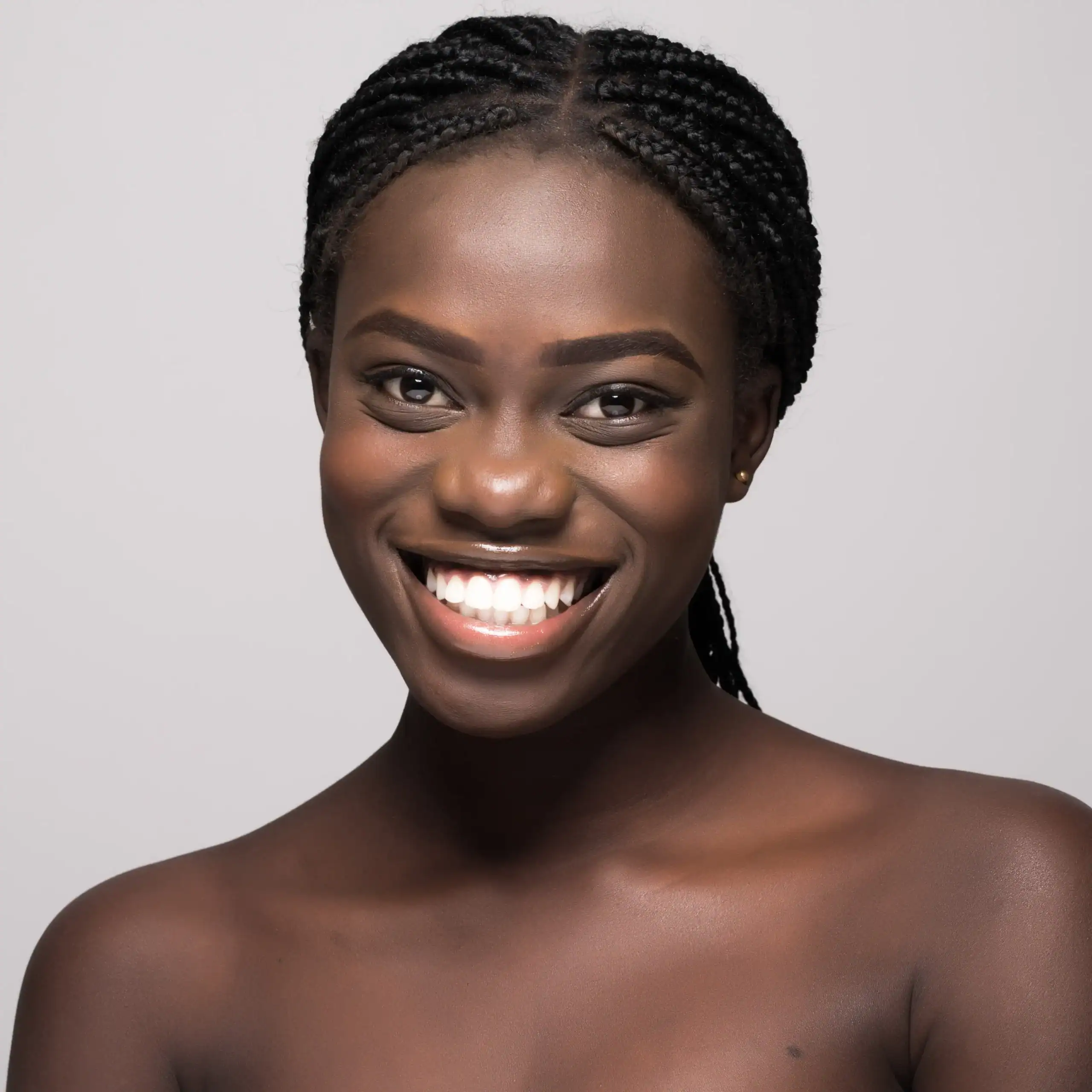
Piel Afroamericana
Aquellos bendecidos con una variedad de tonos de piel más oscuros, típicamente agrupados como piel afroamericana, saben que su piel viene con una variedad de beneficios y desafíos, distintos de los de otros tipos de piel.
Los beneficios de la melanina
The main difference between a darker and lighter skin tone is simply the quantity of melanin in the skin cells. Melanin is a pigment, found not only in the skin but also the iris and other parts of the body. It serves a valuable function: protecting the skin against UV radiation from sunlight. Those blessed with darker skin have a greater amount of this pigment and are less likely to burn when exposed to direct sun compared to those with lighter skin.
This does not mean, however, that individuals with darker skin can ignore sun safety. Darker skin does burn, and it can be painful and potentially dangerous. Sunscreen, wide-brimmed hats, and avoidance of long-term exposure during the sunniest days of summer are the best ways to avoid issues later in life.
African American Skin FAQs
Sebaceous glands are microscopic, oil-producing regions that lubricate the skin and hair. People with African American skin often have larger sebaceous glands in their skin than people with lighter skin tones. This greater production of oil helps hold in moisture and make the skin smoother and look younger.
However, there’s another side to the higher oil production of sebaceous glands. The larger quantity of oil makes acne and other facial inflammations more likely to occur. Furthermore, people with a darker skin tone are more likely to experience post-inflammatory hyperpigmentation — that is, after an acne spot has healed, the skin overproduces melanin in that area, which can lead to a splotchy look that can last for weeks afterwards.
La mejor manera de combatir las glándulas sebáceas hiperactivas y prevenir el acné y otras dificultades cutáneas antiestéticas es limpiar diligentemente la piel, particularmente el rostro, especialmente con productos que contengan ácido salicílico. Esta sustancia, un ingrediente común en los tratamientos para la piel, ayuda a evitar que el aceite, que de otro modo sería nutritivo, obstruya los poros y cause inflamación.
Skin of color is more prone to hyperpigmentation, especially after acne, irritation, or sun exposure. These dark spots can last longer than the original issue and may worsen without sun protection.
Yes, people of all ethnic skin types should make sunscreen part of their skin care routine. While melanin provides some natural protection, it does not fully protect against UV damage. Daily sunscreen helps prevent skin cancer, premature aging, and dark spots (hyperpigmentation).
For healthy skin of color:
- Use broad-spectrum SPF 30+ daily.
- Choose gentle, non-irritating products.
- Treat acne and inflammation early.
- Avoid picking or irritating the skin.
These steps help maintain even tone and prevent long-term damage.
Questions? Goodman Dermatology Can Help
Dr. Marcus Goodman and the team at Goodman Dermatology have years of experience treating and offering care tips and advice for those with African American skin. If your skin has a darker tone — or any of the colors of the rainbow — our team of providers would be happy to discuss the best steps you can take to make your skin best reflect your inner beauty.
Goodman Dermatology serves the north metro Atlanta and north Georgia areas.