Wart Removal
Although warts can be unsightly, they are usually harmless. Goodman Dermatology specializes in techniques that can provide permanent removal and help you feel more confident.
What Are Warts?
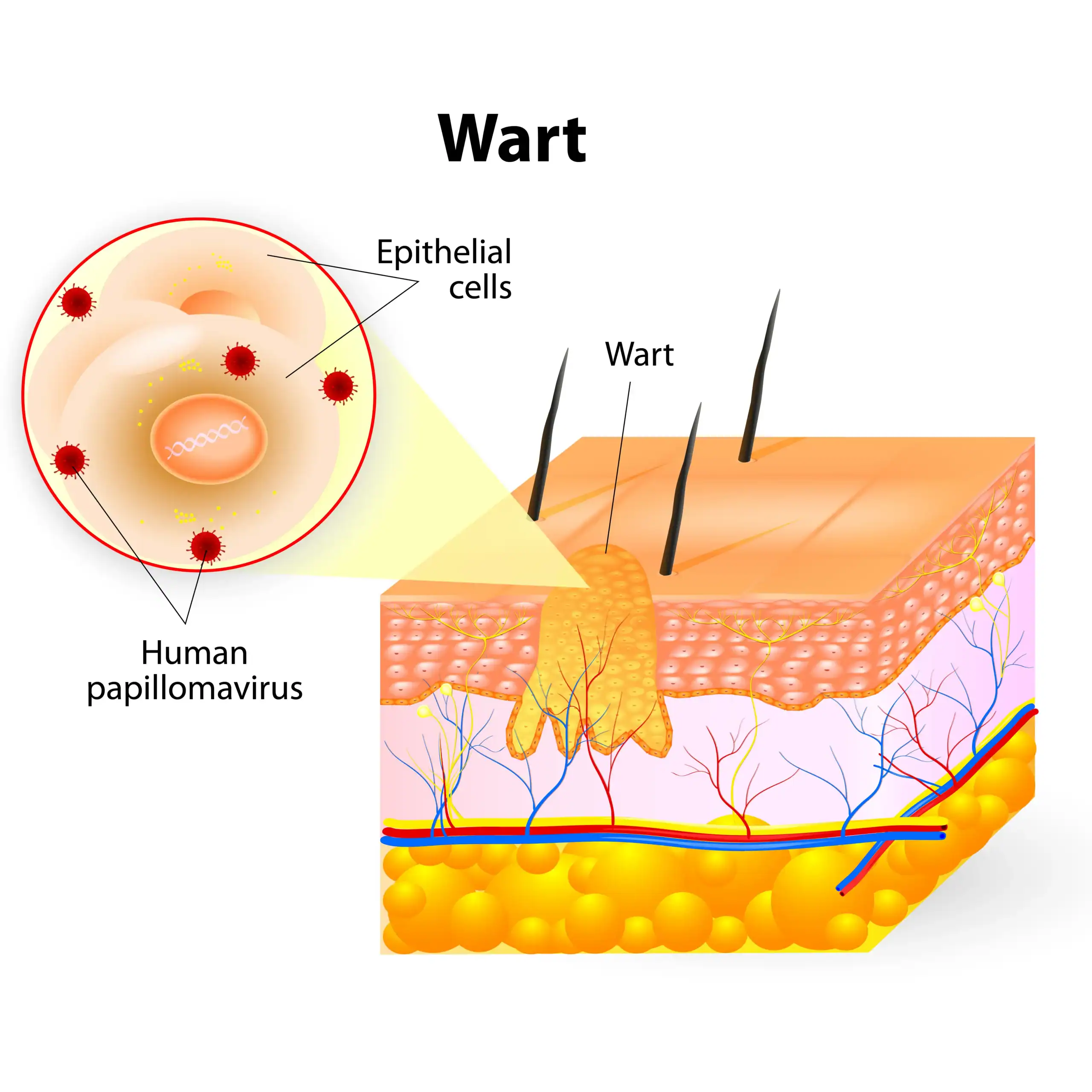
Warts are benign, contagious skin growths caused by the human papillomavirus (HPV). They often appear as rough, skin-colored, or dark, elevated bumps commonly found on hands and feet, usually lasting months before disappearing. When HPV is present in the body, it infects the top layer of skin and causes rapid cell growth. There are slightly fewer than 150 known types of HPV. Some HPV strains cause common or cutaneous lesions. Some resolve without treatment. Because even common benign varieties can spread, many patients seek the help of a dermatologist. In fact, the appearance of warts is the second most commonly cited reason that patients visit the dermatologist’s office.
Wart Removal FAQs
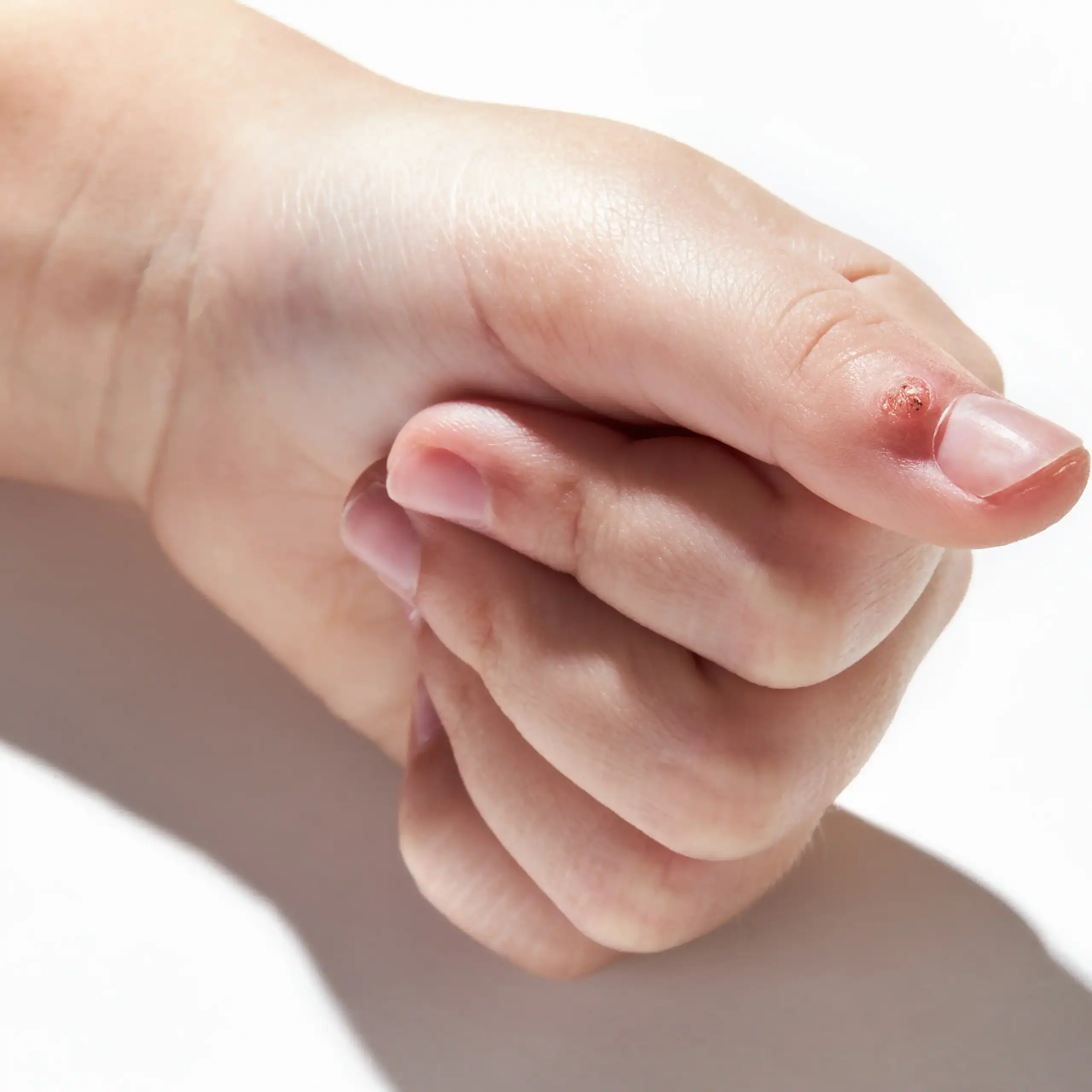
The most frequently seen common wart, also known as verruca vulgaris, can appear anywhere on the skin. They may present in clusters. These lesions are common on people of all ages, but especially in children to young adults. According to researchers at Johns Hopkins University, almost one-fourth all children between the ages of 5 and 18 develop some type of wart. Removing warts is a relatively simple process that quickly clears the patient’s skin of existing lesions.
Warts often appear on hands or feet and are caused by a type of human papilloma virus (HPV) present in the body.
The National Institutes of Health (NIH) reports they’re frequently seen on the patient’s hands or feet, including fingers and toes. However, some varieties of HPV cause the patient to develop papules on the anus, genitalia, or oral/mouth tissue. Genital warts are considered more serious and require medical treatment.
In addition to common warts, some patients see flat warts on the face or legs. They’re often small and thin and normally flesh-colored. They’re sometimes difficult to see. Genital warts are HPV-related and are a serious skin condition.
The American Cancer Society reports that more than 350,000 people in the U.S. are diagnosed with genital warts every year. HPV-6 and/or HPV-11 cause genital warts. Infection with HPV-16 and HPV-18 exposes the patient to other high-risk health conditions and diseases.
Researchers of Harvard University School of Medicine report that Recurrent Respiratory Papillomatosis (RRP) can cause these warts to grow in the trachea or bronchial tubes, or even in the lungs. A patient with this form of HPV can develop cancer of the larynx.
Although this condition is rare, a pregnant woman with genital HPV can infect her infant with HPV during its passage through the birth canal. Some babies develop fatal RRP and other HPV infections.
All warts are caused by some type of HPV. Some forms of HPV carry more risk to the patient. About 30 of these types are believed to play a part in sexually-transmitted diseases. Other types are implicated in the development of skin cancers.
Certain high-risk forms implicate the development of cancers of the cervix or anus. HPV is highly contagious, and the carrier spreads the virus to another person in skin to skin contact, including kissing or various forms of sexual contact.
According to Mayo Clinic, an HPV test is used by physicians to check for presence of HPV. Since the virus can cause cellular changes to the cervix, some doctors perform the test when a woman gets a Pap test. Almost 100% of all women diagnosed with cervical cancers are also infected with one or more specific HPV types. Most female patients of age 30 and older should be tested for HPV on a regular basis. If the Pap and HPV tests are negative, the patient’s risk of developing cervical cancer is considered low.
Most patients are surprised to learn that about 90% of diagnosed squamous cell cancers of the anus are related to HPV infection. In addition 70% of cancers of the vulva and 70% of vaginal cancers are also the result of HPV-related causes. About 60% of penile cancers are related to HPV infection.
Some patients may carry certain forms of HPV but, if there are no symptoms, the physician usually elects not to treat the patient’s viral condition. However, pre-cancerous cellular changes are treated after the doctor diagnoses them. Genital warts may be left untreated in certain cases but most physicians advise treatment. Although treatment of symptomatic warts doesn’t cure the patient’s HPV infection, the patient may feel better about removing warts as they appear.
According to the Centers for Disease Control (CDC), frequently used genital wart treatments include topical medications, immunomodulators, cryotherapy, surgical removal, or laser therapy.
Yes. Warts spread by touching. Intimate touching, such as kissing another person, can spread them. Shaking the hand of a person with warts can spread HPV.
Possibly. A person with many lesions may have a serious immune-related disorder or condition. It’s important to consult a board-certified dermatologist right away. Goodman Dermatology, an experienced board-certified dermatology practice, accepts new patients with concerns about any type of warts.
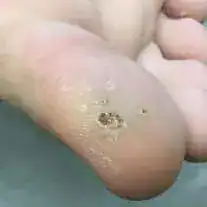
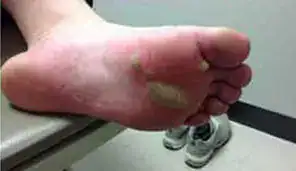
Most varieties of warts aren’t painful. However, plantar warts, a contagious type of wart that grows on the heel or soles of feet, do cause pain. The lesions feel rough to the touch. The patient may notice tiny black dots, or burst capillaries, as the plantar wart starts to develop. These lesions burrow into the skin’s layers and are almost impossible to remove without dermatological assistance.
No. All warts result from a type of HPV. Once the patient is infected with the virus, it’s possible for new lesions to reappear.
Most warts cause embarrassment, some cause serious health risks, and others cause pain. It’s important to work with a board-certified dermatologist to diagnose and treat warts.
If you are seeking wart removal in North Atlanta and North Georgia, contact us today. Goodman Dermatology can help you find relief and achieve lasting skin clarity.
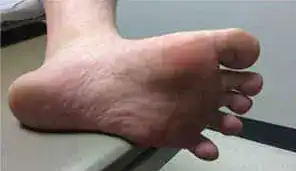
Wart Before & After Photos