
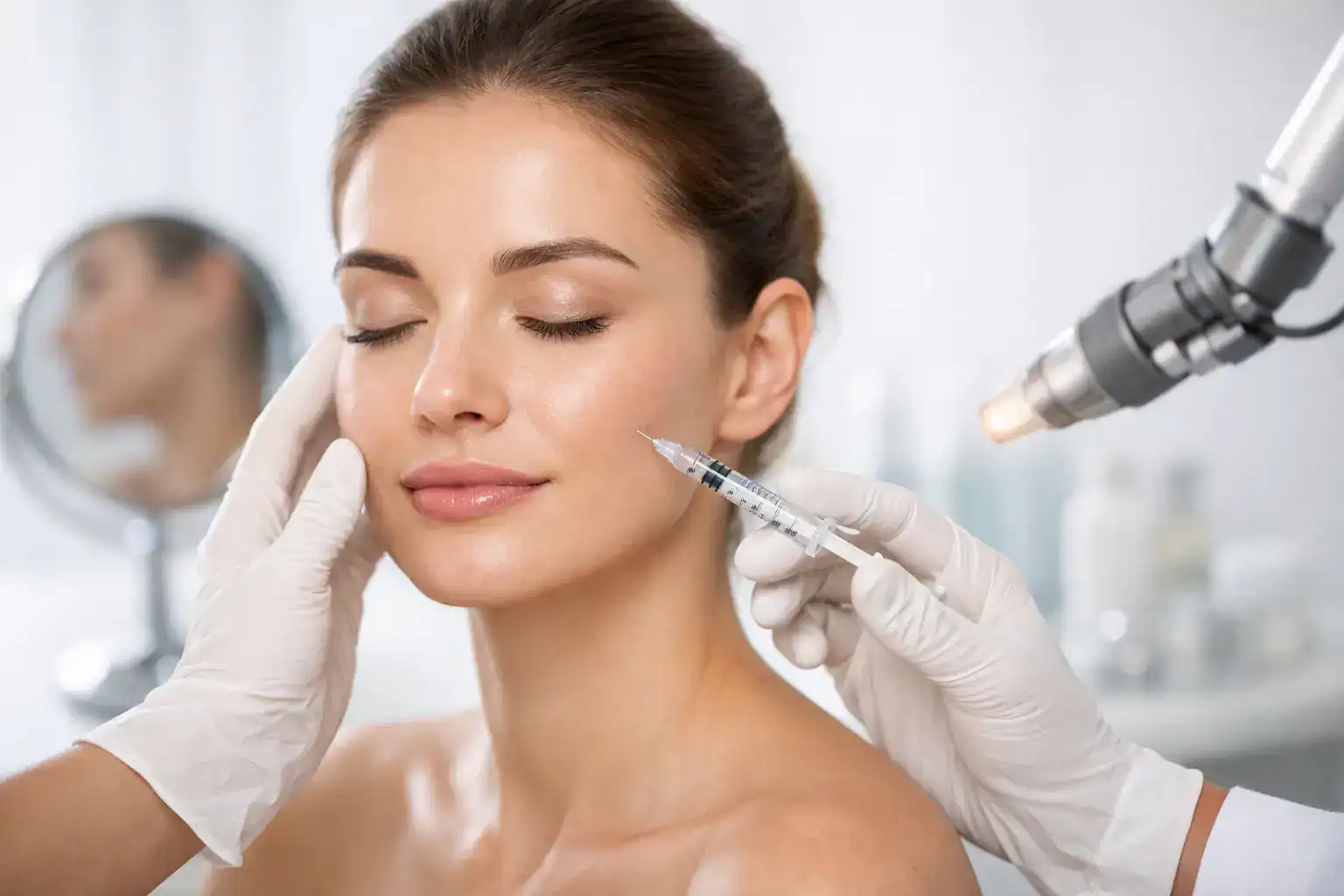
A treatment looks great on social media. Then the real question hits: will it work for your skin, your schedule, and your goals? That is where cosmetic dermatology becomes more than a trend. It is a medical specialty focused on improving skin tone, texture, volume, and overall appearance with treatments that should be matched carefully to the person in front of the provider.
For many patients, the biggest challenge is not deciding whether they want improvement. It is figuring out which option makes sense. Fine lines, acne scars, brown spots, redness, sun damage, and volume loss can all be treated, but not with the same plan. Good results usually come from a clear diagnosis, realistic expectations, and a treatment approach built around skin type, downtime, budget, and long-term maintenance.
What cosmetic dermatology includes
Cosmetic dermatology covers non-surgical and minimally invasive procedures designed to refresh or refine the skin. That can include injectables such as neuromodulators and dermal fillers, laser treatments, light-based procedures, microneedling, chemical peels, scar revision, facials, and other rejuvenation services.
The key point is that these are not interchangeable. A patient bothered by early forehead lines may do well with a neuromodulator, while someone concerned about uneven pigment may need a peel, IPL, or a pigment-focused skincare plan. A patient with acne scarring may benefit from microneedling or laser resurfacing, but the right choice often depends on scar type, skin tone, and how much downtime feels realistic.
This is also where dermatology matters. Cosmetic concerns are not always purely cosmetic. Redness may actually be rosacea. Dark spots may be melasma, post-inflammatory hyperpigmentation, or sun damage. A rough growth that seems like a nuisance may need medical evaluation before any aesthetic treatment is considered. When cosmetic care is part of a broader dermatology practice, patients can address appearance goals without losing sight of skin health.
The most common cosmetic dermatology concerns
Most patients are not trying to look different. They want to look more rested, more even-toned, or less distracted by a feature that has become harder to ignore over time. The most common reasons people seek cosmetic care tend to fall into a few groups.
Lines, wrinkles, and volume loss
Expression lines around the forehead, eyes, and mouth often respond well to injectables, but timing and technique matter. Neuromodulators soften muscle movement that creates dynamic wrinkles. Fillers restore volume in areas such as the cheeks, lips, jawline, or under-eyes when used appropriately. Not every line needs filler, and not every face benefits from more volume. In many cases, a conservative plan produces the most natural result.
Sun damage, brown spots, and uneven tone
Years of sun exposure can leave behind freckles, mottled pigment, broken capillaries, rough texture, and dullness. Depending on the pattern and the patient’s skin type, treatment might involve IPL, chemical peels, laser resurfacing, or a targeted skincare regimen. Some pigment improves quickly. Other types, especially melasma, can be stubborn and may worsen with heat or overly aggressive treatment. That is why a careful diagnosis comes first.
Acne scars and texture changes
Scarring can be emotionally frustrating because it lingers long after breakouts stop. Cosmetic dermatology offers several options, including microneedling, laser resurfacing, subcision, and combination treatment plans. Results are often significant, but they tend to build gradually. Patients usually do best when they understand that scar revision is improvement, not perfection.
Redness and visible vessels
Facial redness can come from sun damage, rosacea, or broken blood vessels. Light-based devices may help reduce redness and create a more even complexion, but ongoing skin sensitivity often still needs medical management. If the skin barrier is irritated or inflammation is active, treating the underlying condition may be the smartest first step.
How treatment selection really works
A good cosmetic consultation should feel efficient but not rushed. The best plans are based on more than one concern stated at the front desk. Providers look at facial anatomy, skin quality, pigmentation patterns, medical history, prior procedures, and whether the patient wants immediate change or gradual improvement.
Downtime is a major factor. Some patients are open to several days of redness or peeling if that means stronger resurfacing results. Others want treatments that fit between work meetings, school pickups, or weekend plans. Neither approach is better. The right choice depends on lifestyle.
Skin tone also matters. Certain lasers and energy-based devices require extra caution in deeper skin tones because the risk of pigment change can be higher if settings are not chosen carefully. That does not mean cosmetic procedures are off the table. It means treatment planning should be specific, informed, and experienced.
Budget matters too, and it is reasonable to say so. Some procedures create faster visible change but come with a higher upfront cost. Others are more affordable per session but require a series. The most useful conversation is an honest one: what bothers you most, what level of maintenance feels realistic, and what result would feel worth it?
Cosmetic dermatology treatments are not one-size-fits-all
The most effective cosmetic dermatology care is often layered. A single treatment can help, but many concerns are caused by more than one factor. An older patient with tired-looking skin may have volume loss, sun damage, and texture changes all at once. A younger patient may have post-acne marks, active breakouts, and early scarring. Treating only one piece may leave the bigger concern unresolved.
That is why combination care is so common. Injectables can relax lines, while laser or microneedling improves texture. Chemical peels can brighten tone while prescription skincare supports the result at home. Hydrating treatments may maintain glow between more corrective procedures. The plan should match the problem, not the trend.
Conservative care is often the smartest care. More product is not always better. More aggressive resurfacing is not always better. Patients usually appreciate results that look refreshed and balanced rather than obvious or overdone.
What to ask before moving forward
Patients do not need to arrive knowing the exact procedure they want. They do need enough information to make a confident decision. Ask what the treatment is designed to improve, how many sessions may be needed, what recovery looks like, and when results typically appear.
It also helps to ask what the treatment will not do. That question can prevent a lot of disappointment. Fillers do not fix skin laxity in every case. Microneedling will not erase deep scars in one visit. Laser resurfacing can improve texture and tone, but maintenance and sun protection still matter afterward.
Credentials and setting matter as well. Cosmetic procedures may be elective, but they are still medical treatments. Evaluation by a qualified dermatology team can help identify whether a concern is actually cosmetic, whether there are safety considerations, and whether another option would be more appropriate.
For patients balancing skin health and appearance goals, an integrated dermatology practice offers a practical advantage. A person can address acne, rosacea, hyperpigmentation, or skin cancer concerns and still discuss rejuvenation options in the same care environment. That kind of continuity often leads to better decision-making and more personalized treatment plans.
Results depend on maintenance, not just the procedure
One of the most common misconceptions is that cosmetic treatment is a one-time fix. Some procedures produce long-lasting improvement, but skin continues to age, pigment can return, and collagen changes over time. Maintenance is part of the process.
That does not mean every patient needs frequent appointments. It means expectations should be realistic. Neuromodulators wear off. Fillers gradually metabolize. Sun exposure can undo progress. Daily sunscreen, appropriate skincare, and follow-up treatments at reasonable intervals usually make the biggest difference in preserving results.
For busy patients across North Georgia, convenience matters here more than people sometimes realize. Access to nearby appointments, flexible scheduling, and a broad range of services under one roof can make it much easier to stay consistent with care. That consistency often shows up in the result.
Good cosmetic care should leave you looking like yourself, just less distracted by the things that have been bothering you. The right treatment is not the newest one or the most expensive one. It is the one that fits your skin, your goals, and your life well enough that you can feel confident in both the process and the outcome.