
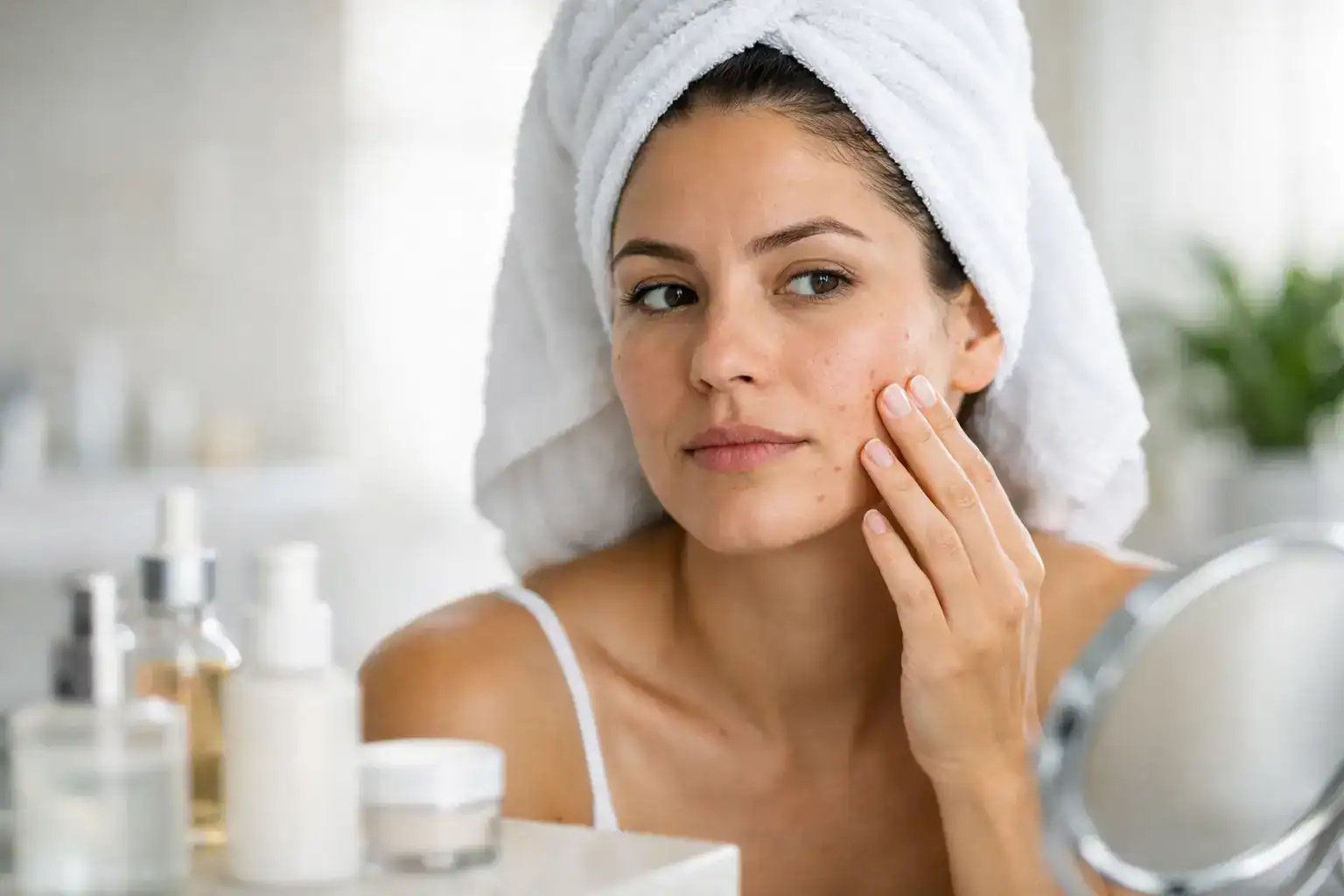
A breakout at 35 can feel more frustrating than one at 15. Adult acne often shows up alongside work stress, hormonal shifts, shaving irritation, makeup use, or skin care routines that are trying to do too much at once. This adult acne treatment guide is designed to help you understand what is driving breakouts, what treatments actually help, and when it makes sense to see a dermatologist.
Why adult acne is different
Adult acne is common, but it does not always behave like teenage acne. Many adults develop deeper, more inflamed bumps along the jawline, chin, and lower cheeks. Others deal with persistent clogged pores, tender cysts, or acne that flares around menstrual cycles, after workouts, or during stressful periods.
The reason treatment can feel difficult is that adult skin has different needs. It may be more sensitive, drier, or already affected by rosacea, hyperpigmentation, or early signs of aging. A product that is strong enough to dry out oil can also be harsh enough to cause irritation, peeling, and dark marks. That is why the best plan is usually not the most aggressive one. It is the most consistent and well-matched to your skin.
Common causes covered in an adult acne treatment guide
Acne develops when pores become clogged with oil, dead skin cells, and bacteria, but the triggers vary from person to person. Hormones are a major factor, especially in women who notice flares around their period, after stopping or changing birth control, during pregnancy, or in perimenopause. Stress can worsen inflammation and increase oil production. Genetics matter too, which is why acne often runs in families.
Skin care and lifestyle can contribute, but usually they are not the only cause. Heavy or pore-clogging cosmetics, occlusive hair products, frequent touching or picking, and sweaty athletic gear can all aggravate the skin. Certain medications, including some steroids or hormone-related treatments, may also play a role. In some adults, what looks like acne may actually be rosacea, folliculitis, or another condition, which is one reason an accurate diagnosis matters.
Start with the right daily routine
A simple routine is often more effective than a crowded bathroom shelf. Gentle cleansing twice daily helps remove oil, sunscreen, makeup, and debris without stripping the skin. If your face feels tight or burns after washing, the cleanser may be too harsh.
Non-comedogenic moisturizer is not optional, even if you have oily skin. When the skin barrier is damaged, irritation increases and treatment becomes harder to tolerate. Daily sunscreen is equally important, especially if you are using retinoids, benzoyl peroxide, or exfoliating acids. It also helps reduce the persistence of post-acne dark marks.
If you wear makeup, choose products labeled oil-free or non-comedogenic and remove them thoroughly at night. If breakouts cluster around the hairline, take a close look at pomades, oils, and leave-in styling products. Sometimes the biggest improvement comes from removing an avoidable trigger rather than adding another active ingredient.
Over-the-counter treatments that can work
For mild adult acne, over-the-counter ingredients can be useful, but they work best when chosen carefully. Salicylic acid helps unclog pores and can be a good option for blackheads, whiteheads, and oily areas. Benzoyl peroxide reduces acne-causing bacteria and inflammation, making it helpful for red, active breakouts. Adapalene, an over-the-counter retinoid, helps prevent clogged pores and can improve both acne and skin texture over time.
The trade-off is irritation. Starting all three at once is a common mistake. Skin that becomes dry, red, and flaky is less likely to stick with treatment, and irritated skin can look worse before it gets better. In most cases, it is better to start with one active ingredient, use it consistently for several weeks, and build from there.
Patience matters. Most acne treatments take at least six to eight weeks to show meaningful improvement. Spot treating can help with an occasional pimple, but long-term control usually depends on preventing new lesions from forming.
Prescription options for persistent or moderate acne
When acne is frequent, painful, scarring, or not responding to over-the-counter care, prescription treatment is often the next step. Topical retinoids remain a cornerstone because they help normalize cell turnover and keep pores from clogging. Topical antibiotics may be used short term in certain cases, often combined with benzoyl peroxide to reduce bacterial resistance.
For hormonal acne, especially in adult women, oral medications may be appropriate. Spironolactone can reduce the hormonal signals that drive oil production. Some birth control pills may also help regulate acne flares. These options can be highly effective, but they are not right for everyone, so treatment should be individualized based on medical history, pregnancy plans, and other health factors.
In more inflammatory cases, oral antibiotics may be prescribed for a limited period. For severe nodulocystic acne or acne causing significant scarring, isotretinoin may be considered. This medication can be transformative, but it requires close supervision because of side effects, lab monitoring, and strict pregnancy precautions.
Adult acne treatment guide for sensitive skin and skin of color
Not every acne plan should look the same. Adults with sensitive skin often need slower introduction of active ingredients, gentler cleansers, and stronger barrier support. If you also have rosacea or eczema, your regimen may need to be adjusted so treatment does not trigger another skin condition.
For patients with skin of color, acne care should also address hyperpigmentation. A breakout may heal, but the dark mark can remain long after the bump is gone. In these cases, treatment should focus on both controlling acne and limiting inflammation that leads to discoloration. Harsh scrubs, picking, and overly aggressive peels can make pigment changes worse.
This is one reason personalized dermatology care matters. Effective treatment is not only about stopping pimples. It is also about protecting the skin from avoidable irritation, scarring, and uneven tone.
When acne leaves scars or dark marks
If acne is already improving but you are left with discoloration, rough texture, or indentations, you may need a second phase of treatment. Post-inflammatory hyperpigmentation often fades gradually, but the process can take months without targeted care. Retinoids, pigment-focused topical therapies, and strict sun protection can help.
True acne scars are different. Ice pick, rolling, and boxcar scars usually do not improve with creams alone. Depending on the type of scarring and your skin type, in-office treatment may include chemical peels, microneedling, laser resurfacing, or scar revision procedures. The best time to discuss scars is often before acne is fully gone, especially if you are still developing deep or painful lesions.
When to see a dermatologist
There is no benefit in waiting until acne becomes severe. If you have painful cysts, breakouts that leave marks, acne that flares despite consistent skin care, or bumps that may not actually be acne, a dermatology evaluation can save time and frustration.
An expert visit is also helpful if you are pregnant, trying to become pregnant, or balancing acne with another skin condition. Many common treatments have restrictions during pregnancy or may need to be replaced with safer alternatives. The same is true if you have sensitive skin and have already reacted to multiple products.
For busy adults, convenience matters too. A care plan works better when follow-up is realistic and access to treatment is straightforward. Practices like Goodman Dermatology, with multiple North Georgia locations and broad medical and cosmetic dermatology services, can help patients address active acne and its aftereffects in one setting.
What realistic progress looks like
A good acne plan should lead to fewer new breakouts, faster healing, and less inflammation over time. It may not mean perfectly clear skin in two weeks. Some patients improve with a topical routine alone, while others need oral medication, procedural support, or a longer timeline because hormones are involved.
If your acne worsens at certain times of the month, during high stress, or after specific product use, tracking those patterns can be useful. Dermatology is not guesswork, but good treatment often depends on understanding your specific triggers, your skin type, and how your skin responds over time.
Clearer skin usually comes from a plan that is simple enough to follow, strong enough to work, and tailored enough to avoid unnecessary irritation. If you have been trying products on your own without much success, that is not a sign you have failed. It usually means your skin is asking for a more precise approach.