
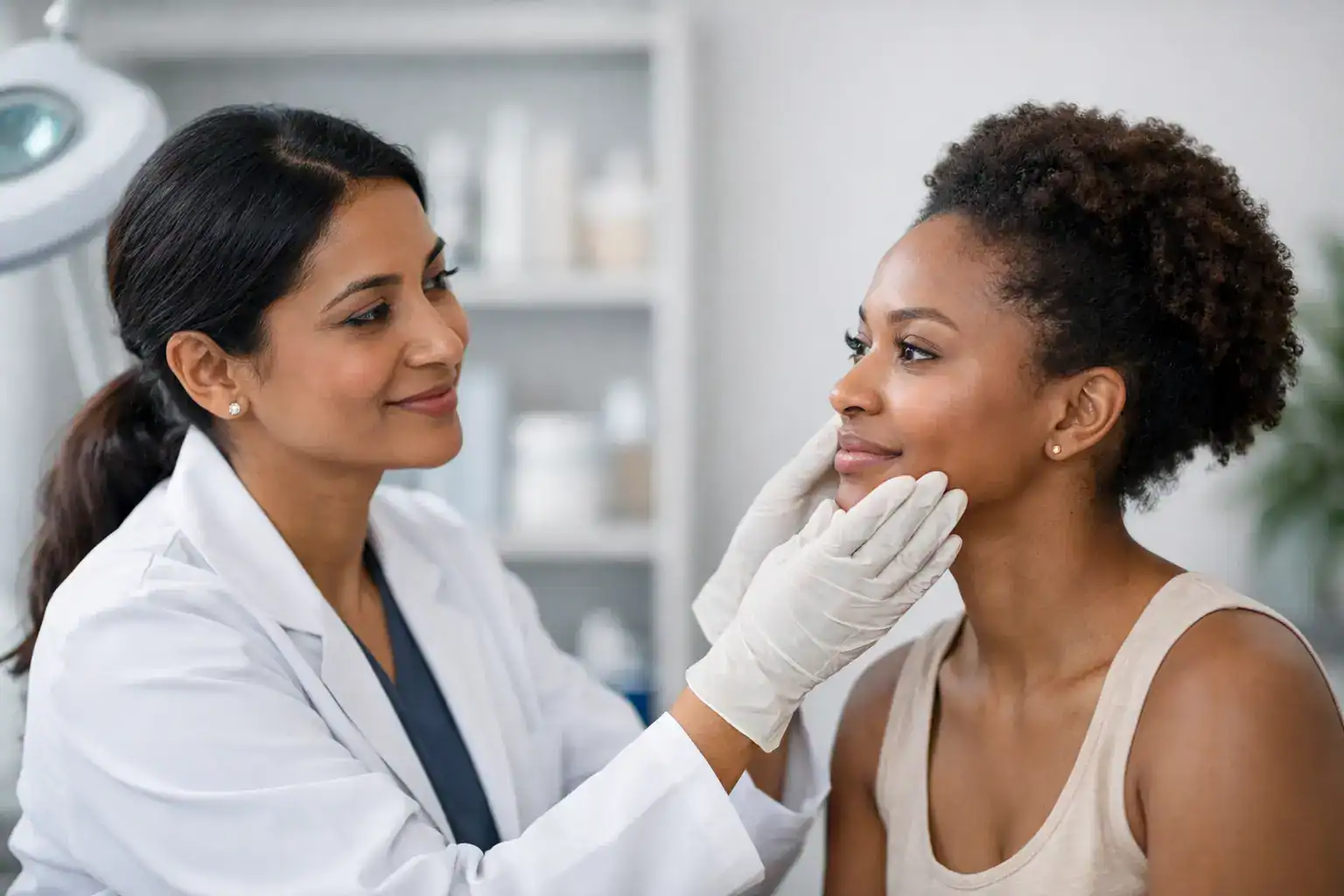
A dark mark that lingers for months after a single breakout is not a minor cosmetic issue when it changes how you feel every time you look in the mirror. For many patients with skin of color, the real concern is not just acne, eczema, or razor bumps – it is what follows: hyperpigmentation, scarring, uneven tone, or treatment irritation that can be harder to correct than the original problem. That is where an ethnic skin care dermatologist can make a meaningful difference.
Dermatology is not one-size-fits-all. Skin tone, hair texture, pigment response, and cultural skin care practices all affect diagnosis and treatment. A physician with experience treating diverse skin types understands that the goal is not only to clear a condition, but to do so while protecting the skin barrier, minimizing pigment change, and choosing treatments that are both effective and appropriate for the patient in front of them.
What an ethnic skin care dermatologist actually does
An ethnic skin care dermatologist is a dermatologist with focused experience in diagnosing and treating skin, scalp, and hair concerns that commonly affect patients with skin of color. That includes Black, Hispanic, Asian, Middle Eastern, South Asian, and multiracial patients, as well as anyone whose skin may react to inflammation or procedures with noticeable pigment changes.
This does not mean these concerns occur only in certain populations. It means they can present differently, carry different risks, and require more careful treatment selection. Redness may be less visible. Inflammation may show up as gray, violet, or dark brown rather than bright pink. A routine peel or laser that works well for one patient may trigger post-inflammatory hyperpigmentation in another.
Experience matters because subtle differences can change outcomes. The right dermatologist knows when to move aggressively and when to slow down, when to combine treatments, and when a lower-strength option is actually the safer and smarter choice.
Common concerns in ethnic skin care dermatology
Hyperpigmentation is one of the most frequent reasons patients seek care. It can develop after acne, eczema flares, insect bites, rashes, or minor skin trauma. Patients are often told to “give it time,” but persistent discoloration may need a structured treatment plan that includes prescription topicals, strict sun protection, and in some cases carefully selected procedures.
Melasma is another common concern, especially in women and in patients with medium to deep skin tones. It often appears as patchy brown or gray-brown discoloration on the cheeks, forehead, upper lip, or jawline. Melasma is chronic and easily worsened by heat, sunlight, hormones, and irritation, so treatment needs to be consistent and realistic. Quick-fix approaches usually backfire.
Acne in skin of color often carries a double burden. Patients want active breakouts treated, but they also want to prevent the dark marks that follow. A strong acne regimen that causes irritation can create a new problem even while improving the first one. That is why treatment plans often need a careful balance of retinoids, antibacterial agents, anti-inflammatory medications, and pigment-safe skin care.
Hair and scalp disorders are also a major part of specialized care. Central centrifugal cicatricial alopecia, traction alopecia, folliculitis, and hair breakage patterns require a detailed history and a physician who understands styling practices, grooming habits, and the difference between temporary shedding and permanent scarring hair loss. Early diagnosis is critical because some forms of hair loss can become irreversible.
Keloids and raised scars are another area where treatment experience matters. Some patients are more prone to excessive scar tissue after acne, piercings, surgery, or even minor cuts. Treatment may involve steroid injections, topical therapy, silicone support, laser treatment, or procedural revision, but the plan must be individualized. There is no single best option for every scar pattern or skin tone.
Why specialized experience improves safety
The biggest misconception in dermatology is that a treatment is either good or bad in general. In reality, many treatments are good for the right patient, with the right settings, in the right hands. This is especially true for chemical peels, microneedling, lasers, and energy-based procedures.
Patients with melanin-rich skin can absolutely benefit from cosmetic and corrective procedures, but the margin for error may be smaller. Too much heat, the wrong wavelength, or an overly aggressive peel can lead to burns, prolonged inflammation, or unwanted pigment changes. On the other hand, avoiding procedures altogether is not always the answer. With appropriate selection and conservative planning, many patients do very well.
This is one reason consultation matters so much. A qualified dermatologist should ask about prior reactions, current products, prescription use, tanning or sun exposure, and any history of discoloration after irritation. They should also examine whether the issue is active inflammation, residual pigment, textural scarring, or a combination of all three. Those details shape treatment.
What to look for in an ethnic skin care dermatologist
Start with board certification and broad medical dermatology experience. Then look deeper. Does the practice regularly treat hyperpigmentation, melasma, hair loss, acne scarring, and keloids in diverse skin types? Are treatment options available beyond basic topical prescriptions? Can the same office address both medical and cosmetic concerns when needed?
It also helps to look for practices that offer a full range of care rather than isolated services. For example, a patient with acne may need medical treatment for active breakouts, procedural help for scarring, and maintenance skin care to reduce recurrence. A patient with hair loss may need scalp evaluation, lab review, biopsy in select cases, and long-term follow-up. Convenience matters, but it should come with depth of care.
An experienced dermatologist should also set honest expectations. Pigment problems often improve gradually, not overnight. Some conditions can be controlled better than cured. And in many cases, the safest plan is a staged plan. That kind of transparency is a good sign, not a limitation.
Ethnic skin care dermatologist treatment plans are highly individualized
Two patients can have the same diagnosis and need very different treatment plans. A teenager with inflammatory acne and post-acne marks may need a gentle prescription regimen that protects the skin barrier. An adult with melasma may need pigment suppressing therapy, sun avoidance strategies, and a careful review of cosmetic products that could be causing irritation. A patient with razor bumps may benefit from changes in shaving habits, topical medications, or laser hair reduction, but the best choice depends on severity, hair pattern, and skin response.
This is where personalized care is more than a phrase. It means the dermatologist considers your skin tone, medical history, previous treatment failures, daily routine, and how quickly you need results. It also means understanding trade-offs. A stronger treatment may work faster but carry a higher risk of irritation. A slower plan may be better for long-term pigment control.
For families, this matters across age groups. Children with eczema can develop lasting discoloration if flares are not controlled early. Teens often need acne treatment that is effective without disrupting school, sports, or confidence. Adults may be balancing medical skin concerns with cosmetic goals and limited time for repeat appointments. A practice built for comprehensive care is better equipped to manage those real-life demands.
When local access and comprehensive services matter
Specialized dermatology care is most useful when patients can actually access it. Long delays between visits, limited procedure availability, or having to coordinate across multiple offices can slow progress. Conditions like acne, eczema, pigment disorders, and hair loss usually respond best to follow-up and treatment adjustments, not one-time advice.
That is why many patients prefer a regional practice that offers medical, surgical, and cosmetic dermatology in one system. Goodman Dermatology serves patients across North Georgia with multiple office locations, broad treatment availability, and specialized care for diverse skin types. For patients managing chronic conditions or pursuing procedural treatment, that combination of expertise and convenience can make care more consistent.
Questions worth asking at your visit
A good appointment should leave you with a clear plan, not more confusion. Ask what diagnosis is being treated, what side effects are most likely in your skin type, how long improvement typically takes, and what to do if irritation develops. If a procedure is recommended, ask why that option was chosen over alternatives and whether there is any specific risk of pigment change in your case.
It is also reasonable to ask about maintenance. Many common concerns in ethnic skin care, including melasma, acne, and keloids, can recur. Knowing how to protect your results is part of good dermatologic care.
The right dermatologist will not dismiss cosmetic impact as secondary or assume all skin behaves the same. They will take your concerns seriously, explain the reasoning behind treatment, and build a plan that respects both safety and results.
If your skin tends to scar, darken after inflammation, or react unpredictably to products and procedures, specialized care is not a luxury. It is often the most efficient path to better outcomes and greater confidence.