
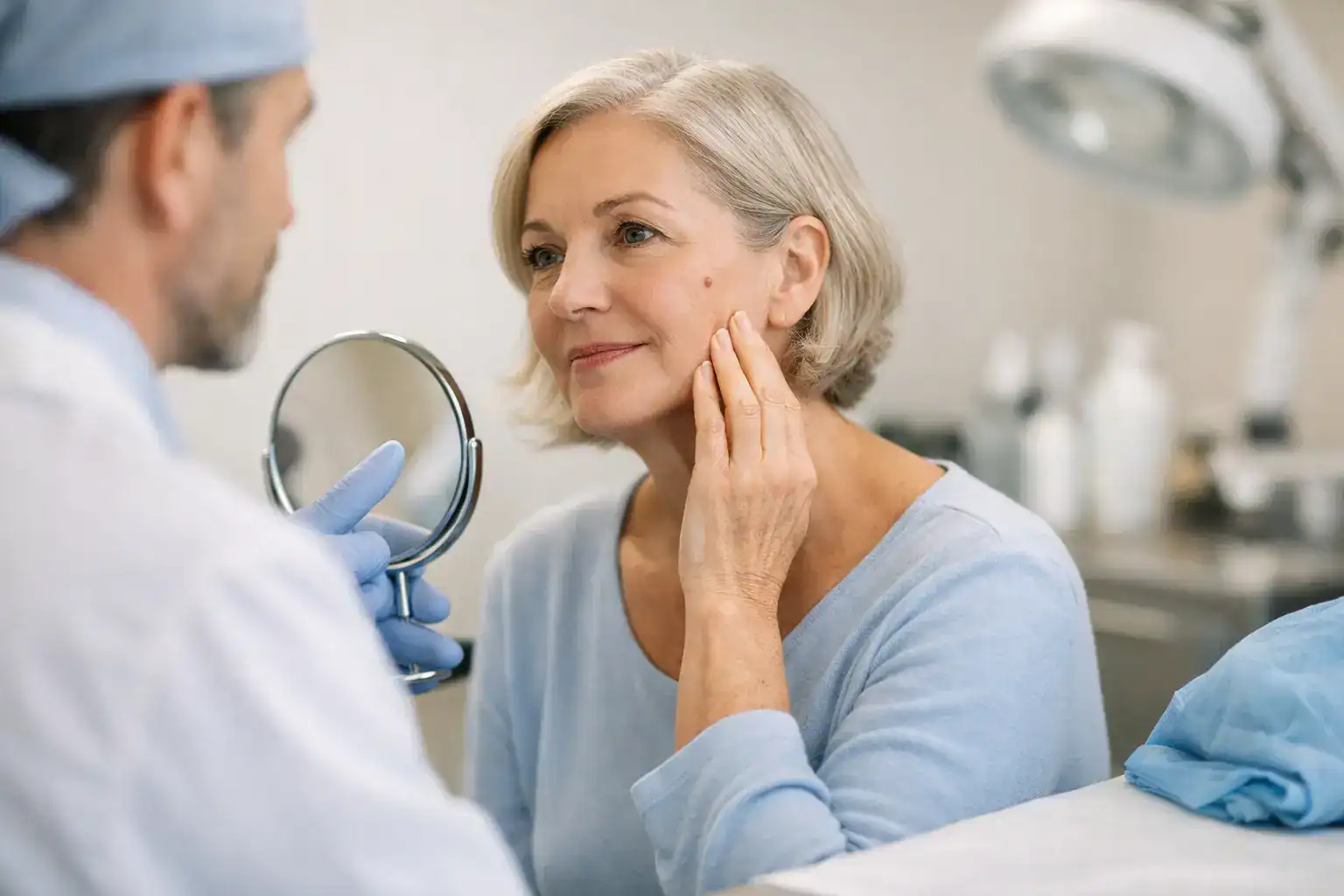
If you have a skin cancer diagnosis and a Mohs procedure on the calendar, it is normal to wonder how to prepare for Mohs surgery without overthinking every detail. The good news is that preparation is usually straightforward. A few practical steps before your appointment can make the day smoother, help your surgical team work efficiently, and leave you feeling more comfortable and confident.
Mohs surgery is often recommended for skin cancers in areas where preserving healthy tissue matters, especially on the face, ears, scalp, hands, and other cosmetically or functionally important sites. Because the procedure removes cancer layer by layer and checks each layer under the microscope during the visit, it offers a high cure rate while sparing as much normal skin as possible. That precision is one reason many patients choose it, but it also means your appointment can take longer than a standard office procedure.
How to prepare for Mohs surgery before your appointment
The most useful place to start is with your pre-operative instructions. Your dermatologist or Mohs surgeon may give guidance based on the size of the skin cancer, its location, your health history, and whether reconstruction is planned the same day. While many recommendations are similar from patient to patient, details can vary.
In most cases, you should continue your usual routine unless your physician tells you otherwise. Do not stop prescription blood thinners, aspirin, or other heart-related medications on your own. Some patients assume they should discontinue anything that might increase bleeding, but that decision should come from the prescribing doctor and surgical team. For many people, staying on those medications is the safest choice.
It is also smart to review all medications and supplements before surgery. Be sure your care team knows about prescription drugs, over-the-counter pain relievers, vitamins, fish oil, and herbal supplements. Even products that seem minor can affect bleeding, healing, or anesthesia planning.
If you smoke or use nicotine products, cutting back or stopping before surgery can support healing. This is especially relevant if the surgical site may need stitches, a flap, or a graft. Tissue repair tends to be slower in smokers, and your surgeon may discuss that risk if it applies to you.
What to do the night before and morning of surgery
A common question about how to prepare for Mohs surgery is whether you should eat beforehand. For most patients, yes. Unless you were given specific fasting instructions, eat a normal breakfast and stay hydrated. Mohs surgery is usually performed with local anesthesia, not general anesthesia, so patients are often more comfortable when they have eaten.
Choose clothing with comfort and access in mind. Wear loose, comfortable clothes and avoid anything that must be pulled tightly over your head if the surgery is on your face or scalp. A button-down shirt or zip-up top can be especially helpful. If your procedure is on the lower leg, wear something that makes the area easy to reach.
Skip makeup, lotion, perfume, and aftershave on or near the treatment area. If the surgery is on the face, arrive with clean skin. You should also leave jewelry at home if it is close to the surgical site.
Bring the basics for a longer visit. Many Mohs procedures are completed in one stage, but some take several rounds of tissue removal and microscopic review. There are periods of waiting between stages, so it helps to have a phone charger, a book, headphones, or another quiet activity. Since time in the office can be unpredictable, try not to stack your day with commitments right after the appointment.
Transportation and scheduling matter more than patients expect
Not every patient needs a driver, but some do. Whether you should arrange transportation depends on the surgical location, the size of the expected repair, your comfort level, and whether your vision or mobility may be affected afterward. If the surgery involves the eye area, nose, or a large facial dressing, driving home may not be ideal.
This is also why many patients benefit from a lighter schedule on procedure day and, in some cases, the following day. Even if you feel physically well, you may be tired from the length of the appointment or need time to manage a bandage, icing, and wound care instructions. For busy professionals and caregivers, planning ahead reduces stress.
If you are traveling from another part of North Georgia for your procedure, allow extra time. A rushed arrival is not the way you want to begin a surgical visit.
What to expect during Mohs surgery
Understanding the flow of the day can make preparation easier. After the area is numbed, the surgeon removes the visible skin cancer along with a thin layer of surrounding tissue. That tissue is processed and examined under the microscope while you wait. If cancer cells remain at the edges, the surgeon removes another thin layer only where needed. This process repeats until the margins are clear.
The key trade-off is time for precision. Mohs surgery can take several hours, but that extra time allows the surgeon to map and remove cancer cells with a high level of accuracy. For many patients, especially when the cancer is on the face or in a high-risk area, that benefit is worth the longer visit.
Once the cancer is fully removed, your surgeon will discuss how the wound will be managed. Some wounds are allowed to heal naturally. Others are closed with stitches, and some require a skin flap or graft. The repair plan depends on the size and depth of the wound, the body site, and the best cosmetic and functional outcome.
Managing medications, bleeding, and comfort
Patients often worry about pain, but Mohs surgery is typically well tolerated. Local anesthesia is used to numb the area, and most patients feel pressure rather than sharp pain during the procedure. Mild soreness later is common, but severe pain is not typical and should be reported.
Bleeding and bruising can happen, particularly in patients who take blood thinners or have surgery on the forehead, around the eyes, or on the scalp. That does not mean something is wrong. It does mean you should follow wound care instructions carefully and know when to call the office.
Ask in advance which pain relievers you should use afterward. In many cases, acetaminophen is preferred, but your physician will advise you based on your medical history. This is another reason not to assume standard over-the-counter advice applies to everyone.
How to prepare your home for recovery
Preparing for recovery is part of how to prepare for Mohs surgery. Before you leave for your appointment, have a few basic supplies ready at home if your office has recommended them, such as gauze, petroleum jelly, or other dressing materials. Fill any prescribed medications ahead of time if possible.
You should also think about activity limits. Depending on the repair, your surgeon may ask you to avoid strenuous exercise, bending, lifting, or anything that raises blood pressure for several days. That restriction can be frustrating for active patients, but it is meant to reduce bleeding, swelling, and stress on the wound.
If your surgery is on the face, scalp, or neck, sleeping with your head elevated may help with swelling. If the site is on an arm or leg, positioning and rest may matter more than patients expect. Small adjustments at home can make the first 24 to 48 hours easier.
Questions worth asking before surgery
A strong pre-op conversation often eases the most anxiety. If anything is unclear, ask. Patients benefit from knowing whether they can eat breakfast, whether they need a driver, how long the visit may last, when they can return to work, and what kind of closure might be needed.
It is also reasonable to ask about scarring. Mohs surgery is designed to preserve healthy tissue, but any skin surgery can leave a scar. The appearance of that scar depends on the size of the cancer, the repair technique, the body site, and how your skin heals. A fellowship-trained Mohs surgeon will plan the repair with both cancer clearance and reconstruction in mind.
For patients seeking care through a high-volume surgical center such as Goodman Dermatology, one advantage is coordinated expertise. When skin cancer treatment, dermatologic surgery, and follow-up care are handled within the same practice, patients often have a clearer path from diagnosis through recovery.
The goal is preparation, not perfection
Most patients do not need to do anything complicated before Mohs surgery. Eat if instructed, review your medications, wear comfortable clothing, plan extra time, and follow the instructions your surgical team gives you. If you are unsure about a detail, ask before procedure day instead of guessing.
A little planning goes a long way. When you know what to expect and what your team needs from you, the day feels less uncertain and more manageable.