
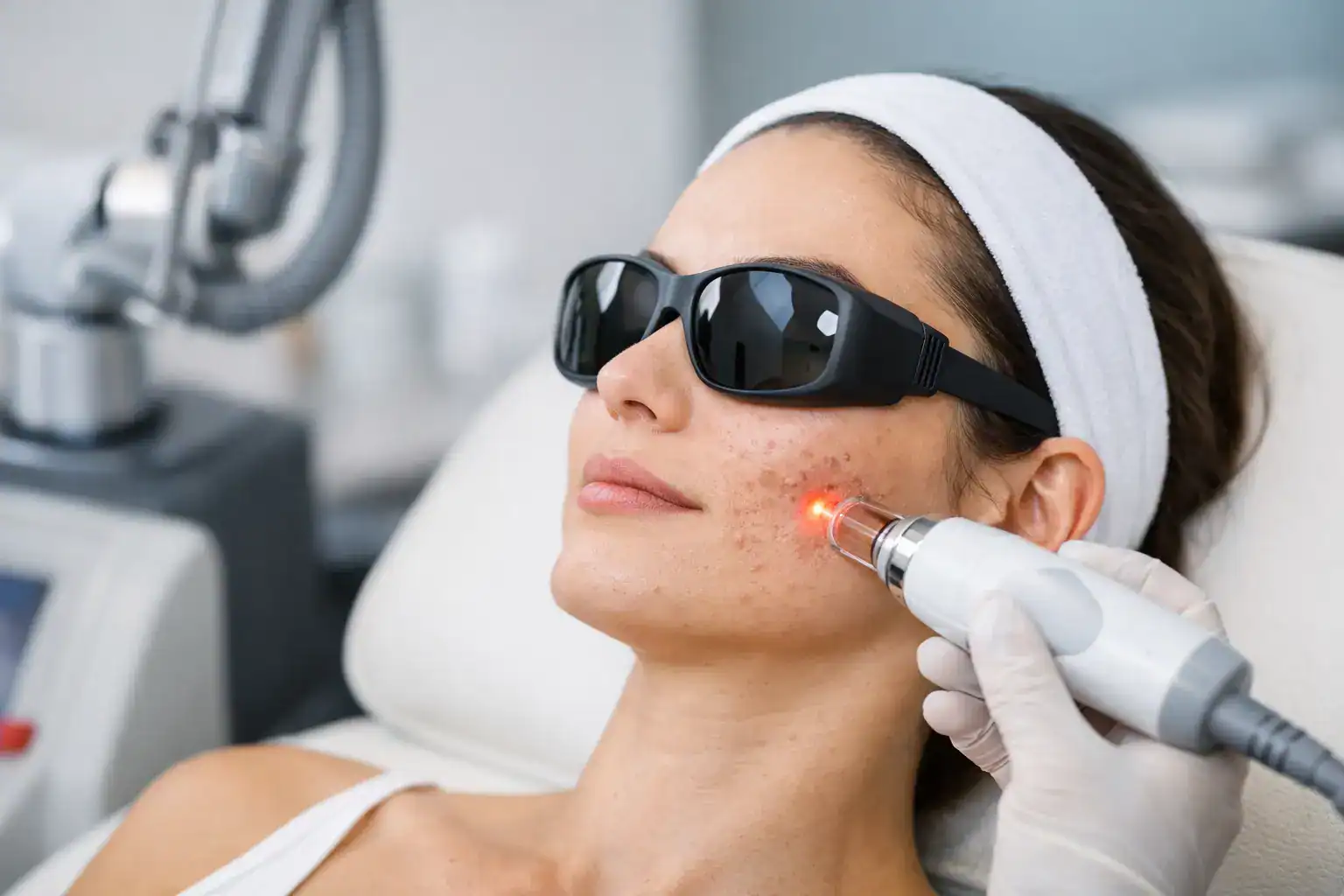
Acne may be temporary, but the texture changes it leaves behind often are not. Many patients come in long after their breakouts have improved, frustrated by pitted scars, uneven skin tone, and makeup that settles into the skin instead of smoothing over it. When topical products and at-home devices are not enough, laser resurfacing for acne scars can be an effective next step.
This treatment is not one-size-fits-all. The right approach depends on the type of acne scars you have, your skin tone, your schedule, and how much improvement you want to see. A careful dermatology evaluation matters because the best results usually come from matching the laser and treatment plan to the individual patient, not forcing every scar into the same protocol.
How laser resurfacing for acne scars works
Laser resurfacing improves acne scars by creating controlled injury in the skin. That sounds technical, but the goal is straightforward: stimulate collagen remodeling and encourage the skin to repair itself in a more even way. As new collagen forms, depressed scars can soften and skin texture can become smoother over time.
Some lasers remove columns of skin to trigger renewal at a deeper level, while others heat the skin without removing the surface. In general, ablative lasers tend to deliver more dramatic improvement but require more downtime. Non-ablative lasers are often easier to recover from, but results may be more gradual and may require a series of sessions.
This is where expectations need to stay realistic. Laser treatment can significantly improve many acne scars, but it does not usually erase them completely. Most patients see softening, blending, and textural improvement rather than perfectly untouched skin. For the right candidate, that change can still be meaningful.
Which acne scars respond best to laser treatment?
Laser resurfacing works best for atrophic acne scars, which are the depressed scars left behind after collagen loss. These include boxcar scars, rolling scars, and some ice pick scars. Boxcar and rolling scars often respond especially well because resurfacing can help smooth the broader depressions and stimulate collagen in the surrounding skin.
Ice pick scars can be more challenging. They are narrow and deep, which means they may need combination treatment rather than laser alone. In many cases, the most effective plan blends resurfacing with procedures such as scar revision, microneedling, subcision, or chemical reconstruction techniques.
Color changes after acne are a separate issue. Red marks and brown marks can improve with certain laser or light-based treatments, but they are not the same as true textural scars. A board-certified dermatologist will distinguish between discoloration and depressed scarring because they are treated differently.
Not every laser is right for every patient
One of the most important parts of treatment planning is choosing the right technology. Fractional ablative lasers are commonly used for acne scar resurfacing because they treat microscopic zones of skin while leaving surrounding tissue intact. That supports healing and can improve both texture and tone.
Non-ablative fractional lasers may be a better fit for patients who want less downtime or who need a more conservative approach. They can still stimulate collagen, but the trade-off is that improvement may come more slowly. Some patients are good candidates for a stronger treatment with a longer recovery, while others prefer a series of milder sessions they can fit around work, school, or family responsibilities.
Skin tone also matters. Patients with deeper skin tones can absolutely be candidates for laser resurfacing, but settings, device selection, and pre- and post-treatment care need to be handled carefully to reduce the risk of post-inflammatory hyperpigmentation. This is one reason experience matters. Treating acne scars safely across a wide range of skin types requires planning, not guesswork.
What to expect before, during, and after treatment
The first step is a consultation. Your dermatologist will examine the scar pattern, review your acne history, ask about prior treatments, and make sure any active acne is under control. Treating active breakouts and inflammation first is important because new acne can continue to create new scars.
Photos are often taken so progress can be tracked accurately. You may also receive instructions to pause certain skincare products before treatment, especially strong exfoliants, retinoids, or irritating active ingredients. If you have a history of cold sores, preventive antiviral medication may be recommended before certain laser procedures.
During treatment, a topical numbing cream is commonly used, and some laser sessions may involve additional comfort measures depending on intensity. Patients usually describe the sensation as heat, stinging, or a snapping feeling on the skin. The length of the appointment depends on the area being treated and the type of laser used.
Afterward, the skin may look red, feel warm, and appear swollen. With more intensive resurfacing, you may have several days of visible healing followed by lingering pinkness. With less aggressive treatment, downtime is usually shorter. Sun protection is essential during recovery, and following aftercare instructions closely makes a real difference in healing and results.
How many sessions will you need?
That depends on the scar type, the laser selected, and how much improvement you are hoping to achieve. Some patients notice visible change after one session, especially with stronger fractional resurfacing. Others need a series of treatments spaced over several months.
A practical way to think about it is this: deeper scars usually need more than one strategy and more than one appointment. Skin remodeling also takes time. Collagen continues to develop for weeks to months after treatment, so final results are not immediate.
This can be frustrating if you want a quick fix, but acne scar treatment is usually a process, not a single event. The benefit of a thoughtful plan is that it can be adjusted as the skin responds.
Risks, trade-offs, and when laser may not be the best first step
Laser resurfacing is effective, but it is still a procedure and should be approached with the same care as any other medical treatment. Potential side effects include redness, swelling, temporary acne flares, infection, prolonged healing, and pigment changes. Most side effects are manageable, but they should be discussed clearly before treatment.
There are also cases where laser is not the best first step. If you have ongoing cystic acne, recent isotretinoin use, certain medical conditions affecting healing, or a tendency toward abnormal scarring, your dermatologist may recommend delaying treatment or choosing a different approach. Patients with very deep tethered scars often benefit from subcision first because releasing the scar beneath the skin can improve the outcome of later resurfacing.
This is why a personalized plan matters more than choosing the most aggressive device available. Stronger is not always better. Better means safer, more appropriate for your skin, and more likely to produce visible improvement without unnecessary risk.
Combining treatments often gives better results
Many of the best acne scar outcomes come from combination therapy. Laser resurfacing addresses texture and collagen remodeling, but other procedures can target features that lasers do not fully correct on their own. Subcision can release rolling scars. Microneedling can support collagen production with less downtime. Fillers may be used selectively for certain depressed scars. Chemical peels or pigment-focused treatments may help when discoloration is part of the concern.
For patients who want comprehensive care, it helps to work with a dermatology practice that can evaluate both the medical and cosmetic sides of acne scarring. That means controlling active acne, improving texture, and addressing tone changes in a coordinated way rather than treating each issue in isolation.
Is laser resurfacing worth it?
For many patients, yes. If acne scars make you feel self-conscious in photos, affect how your skin looks without makeup, or keep your complexion from matching how healthy your skin feels otherwise, treatment can be worth considering. The key is to define success correctly. The goal is improvement you can see and feel, not perfection.
Patients who tend to be happiest with laser resurfacing for acne scars usually understand three things upfront. First, results take time. Second, more than one treatment may be needed. Third, the best outcomes come from a plan tailored to the actual scars present, not a generic package.
At Goodman Dermatology, patients have access to expert evaluation, advanced treatment options, and the convenience of care across North Georgia. If you are considering laser treatment for acne scars, the right starting point is a consultation with a dermatology team that can assess your skin carefully and recommend the safest, most effective path forward.
Clearer, smoother skin often begins with a realistic conversation about what your scars are, what can improve them, and what kind of plan fits your life as well as your skin.