
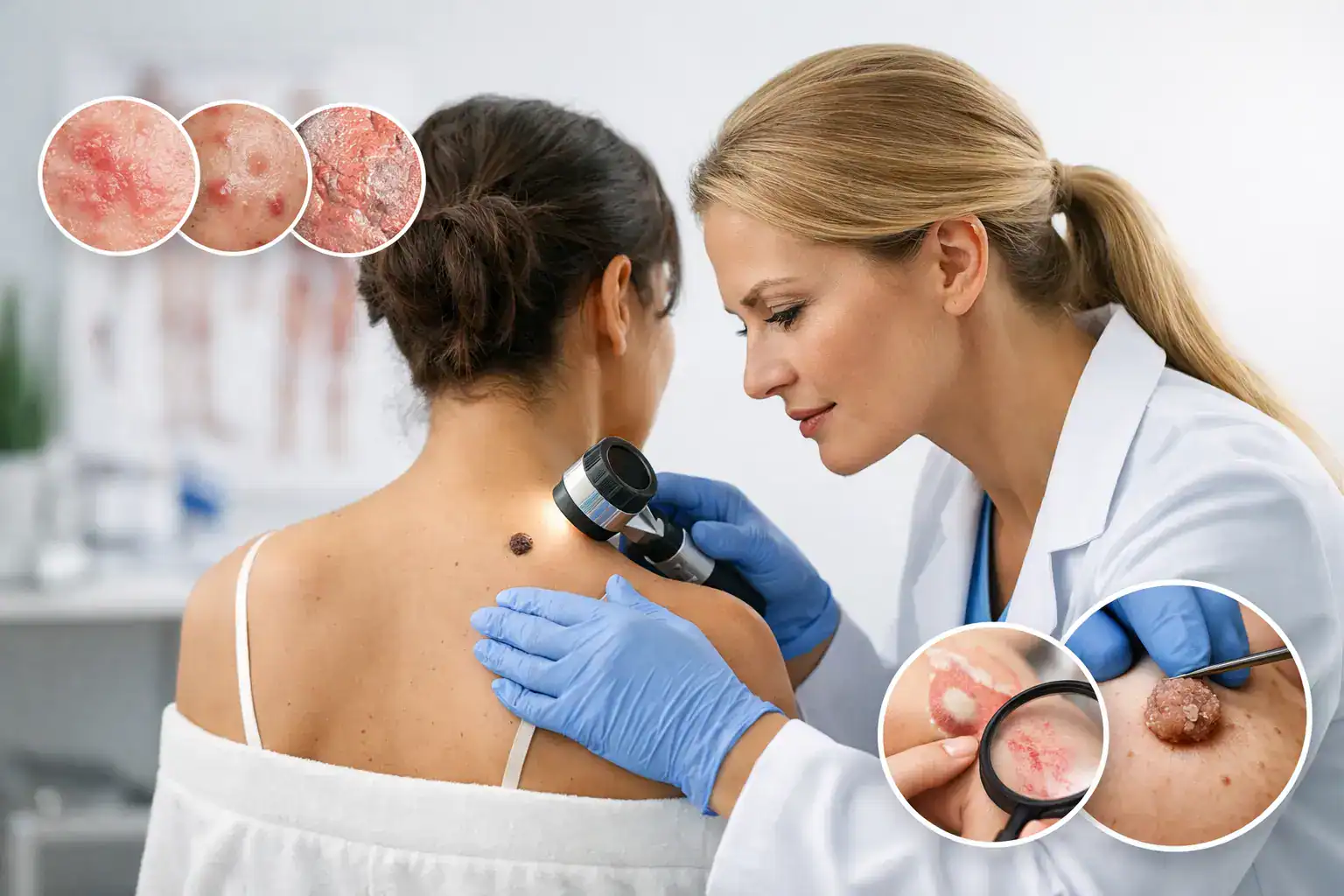
A rash that will not clear, acne that keeps scarring, a mole that suddenly looks different, or hair shedding that seems to come out of nowhere – these are the moments when medical dermatology matters. This area of care focuses on diagnosing and treating conditions that affect the skin, hair, and nails, from common concerns to complex diseases that need ongoing management.
For many patients, the challenge is not deciding whether something feels wrong. It is knowing whether it needs specialist care, how urgent it is, and what treatment might actually help. Medical dermatology is built for exactly that. It combines careful evaluation, evidence-based treatment, and follow-up that adjusts as your condition changes.
What medical dermatology includes
Medical dermatology is the clinical side of dermatology. It is centered on skin health, disease prevention, diagnosis, and treatment rather than elective cosmetic improvement. That distinction matters, but it is not always a hard line. A condition may start as a medical problem and also affect appearance, comfort, sleep, confidence, or daily function.
The scope is broad. Dermatologists treat acne, eczema, psoriasis, rosacea, vitiligo, fungal infections, warts, hives, cysts, dermatitis, pigment changes, and many forms of hair loss. They also evaluate suspicious moles, perform skin cancer screenings, and manage precancerous lesions and skin cancers. Nail disorders, chronic itching, and stubborn rashes also fall under this category.
Some conditions are straightforward. Others overlap with allergies, autoimmune disease, hormones, medication side effects, or infection. That is one reason specialist evaluation can make a real difference. A rash is not just a rash if the underlying cause changes the treatment plan.
When to see a medical dermatology specialist
A lot of skin conditions are not emergencies, but that does not mean they should be ignored. Skin disease often becomes harder to manage when treatment is delayed, especially if there is inflammation, infection, scarring, or repeated flare-ups.
It is worth scheduling an evaluation when a skin, hair, or nail issue lasts more than a few weeks, keeps returning, worsens despite over-the-counter treatment, or starts interfering with sleep, work, school, or comfort. The same applies if a mole or spot changes in color, size, border, or shape, or if a sore will not heal.
Children, teens, adults, and older patients all have different patterns of skin disease. A teenager with acne may need a plan that prevents long-term scarring. An adult with facial redness may think it is sensitive skin when it is actually rosacea. An older adult may dismiss a rough patch as dry skin when it is an actinic keratosis that needs treatment. Timing matters, and so does getting the diagnosis right the first time.
Common conditions treated in medical dermatology
Acne is one of the most common reasons patients seek care, but it is also one of the most misunderstood. Not all acne responds to the same products, and aggressive self-treatment often causes irritation without solving the root problem. Dermatologists look at the type of acne, the severity, whether there is hormonal influence, and whether there is risk of discoloration or scarring.
Eczema and other forms of dermatitis are another major part of medical dermatology. These conditions can look similar on the surface but behave very differently. Some are linked to allergies or irritants. Others are tied to genetics, climate, stress, or immune system activity. Treatment may involve topical medications, barrier repair, trigger management, or advanced therapies for more severe disease.
Psoriasis is a good example of why specialist care is often necessary. It is not just dry, flaky skin. It is a chronic inflammatory disease that can affect the scalp, nails, joints, and quality of life. Mild cases may respond to topical therapy, while more extensive disease may need light-based treatment or systemic medication. The best plan depends on how much skin is involved, where the plaques are located, and how often flares occur.
Rosacea, vitiligo, hyperpigmentation, and hair loss also deserve a tailored approach. These conditions often affect visible areas like the face or scalp, which means emotional impact can be significant even when the disease itself is not dangerous. For many patients, effective treatment is not only about symptom control. It is also about restoring confidence and reducing uncertainty.
Skin cancer detection is a major part of care
One of the most important roles of medical dermatology is identifying skin cancer early. Full-body skin exams can detect suspicious lesions before they become more serious, and biopsy can clarify whether a spot is benign, precancerous, or cancerous.
Not every growth or changing lesion is skin cancer, but guessing is not a good strategy. Basal cell carcinoma, squamous cell carcinoma, and melanoma can all present differently. Some look alarming right away. Others are subtle and easy to overlook.
Patients with a history of sun exposure, tanning bed use, prior skin cancer, many moles, fair skin, or a family history of melanoma may need more regular monitoring. Still, skin cancer can develop in patients without obvious risk factors. That is why routine screening and prompt evaluation of changing lesions remain so valuable.
When skin cancer is found, treatment can range from in-office destruction or excision to specialized surgical care such as Mohs surgery, depending on the type, size, and location. The right approach balances complete removal with the best possible functional and cosmetic outcome.
Diagnosis comes before treatment
The most effective dermatology care starts with diagnosis, not assumptions. Two conditions can look nearly identical to a patient and require completely different treatment. Using the wrong cream, delaying biopsy, or treating based on internet advice can prolong symptoms and sometimes make the problem worse.
A medical dermatology visit typically includes a review of your symptoms, timing, prior treatments, relevant medications, and health history, followed by a focused skin exam. In some cases, further testing is helpful. That may include a biopsy, lab work, patch testing, or molecular testing depending on the concern.
This step-by-step process can feel less exciting than grabbing a quick prescription, but it is often the reason treatment works. Good dermatology is precise. It is not one-size-fits-all, especially for chronic or recurrent conditions.
Treatment plans are more individualized than many patients expect
There is no single medical dermatology treatment pathway because skin disease varies so much by age, skin type, severity, and overall health. A child with eczema, an adult with melasma and rosacea, and a senior with a suspicious lesion all need very different care.
Treatment may include prescription topicals, oral medications, in-office procedures, cryotherapy, light-based therapies, or surgery. Sometimes the best first step is conservative treatment and close follow-up. In other cases, especially when there is rapid change, significant inflammation, or concern for skin cancer, a more immediate procedure is appropriate.
This is also where experience matters with diverse skin tones. Inflammation, acne, eczema, and procedural treatment can leave behind pigment changes that last longer than the original condition. A thoughtful plan should account for both medical control and how the skin heals afterward.
Convenience matters more than people think
Skin conditions do not always fit neatly into a packed schedule. Parents need appointment options for children with warts or eczema. Working adults need efficient access for acne, rashes, or skin checks. Older patients may need ongoing visits for skin cancer surveillance or treatment.
That is why access is part of quality care. Multiple offices, timely scheduling, and a practice that can manage medical, surgical, and skin cancer treatment in one system make the process easier for patients and families. In a region as broad as North Georgia, that practical side of care matters.
Goodman Dermatology reflects that model well, with specialist-level care available across multiple locations and treatment options that extend from routine skin exams to advanced skin cancer management.
What patients should expect from a strong dermatology practice
A strong medical dermatology practice should be thorough without being difficult to navigate. Patients should expect clear communication, a careful exam, and a treatment plan that makes sense for their diagnosis, age, goals, and timeline. They should also expect honesty. Some conditions clear quickly. Others improve in stages and need long-term management.
The best care is not just about technology or credentials, though both matter. It is about combining expertise with judgment. A dermatologist should know when to reassure, when to biopsy, when to escalate treatment, and when to keep things simple.
If your skin, hair, or nails are telling you something is off, it is worth listening. Relief often starts with getting the right diagnosis, and peace of mind often starts there too.