Eczema Treatment
This skin condition is a type of chronic inflammation. It's often described as a skin itch that becomes a rash because of how patients react. But don't worry — this is a condition that can be managed.
What Is Eczema?
According to the National Institutes of Health (NIH), this condition is a type of chronic inflammation of the skin. The most frequent type of the disorder is called an atopic form, also known as atopic dermatitis. Like most inflammatory diseases, the atopic variety may have a potential heredity or genetic factor: it’s likely to appear repeatedly on the patient’s family tree. The disease is sometimes associated with other allergic conditions such as hay fever or asthma.
Eczema FAQs
The atopic form is a chronic and recurring skin condition. It frequently first appears during infancy or in the first few years of life, but some patients first experience the disease as an adult. According to the Mayo Clinic, the condition isn’t an “itchy rash” but a skin itch that becomes a rash as the patient scratches — with no scratching, no rash forms! Goodman Dermatology will prescribe treatment options to reduce skin itch in diagnosed patients.
About 20% of children suffer the condition before age 5. Babies and children are usually most uncomfortable with the condition. Development of atopic dermatitis can foreshadow development of other allergies, such as asthma or post-nasal drip. Only 1 to 3% of adults experience the condition for the first time. Patients older than 50 rarely develop the condition.
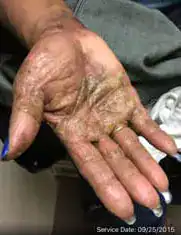
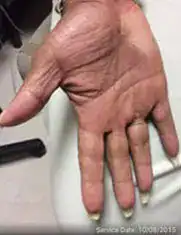
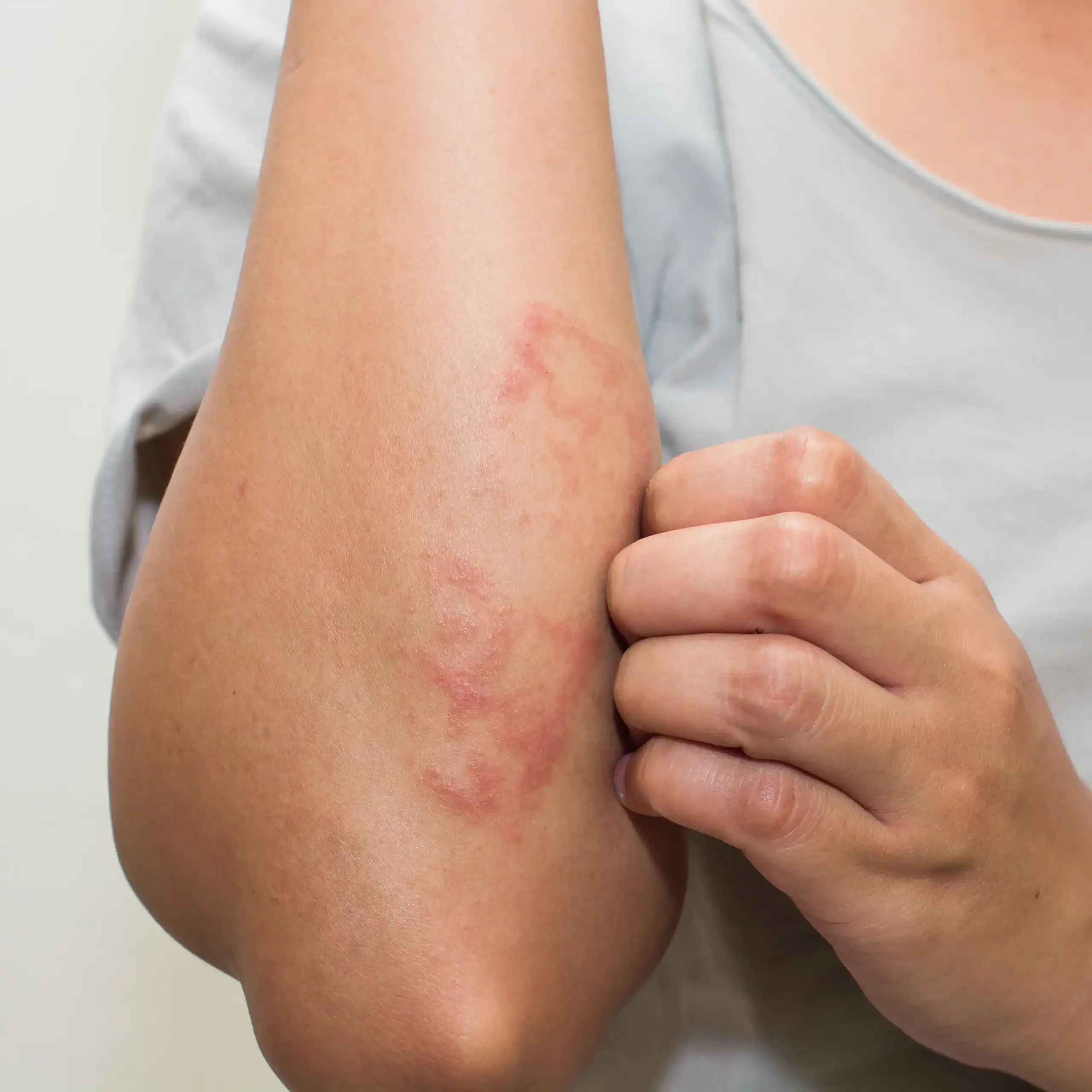
Infants and children usually develop facial rash, scalp, arms, legs, chest, or trunk. In other words, the rash develops only in those areas where the child can scratch his or her skin itch. (For instance, he or she can’t scratch the skin covered by the diaper.) Older patients often get the condition on elbows and backs of knees, eyelids, soles of the feet, or palms of other patients.
Your Goodman Dermatology provider can diagnose atopic dermatitis after collecting a physical exam and noting your history of symptoms. Lab work isn’t required to diagnose the disease. Three criteria are needed in order to confirm the diagnosis of atopic dermatitis:
- Atopy, or a genetic predisposition for allergies, is part of the patient’s medical history. Family members may also suffer from allergic conditions. Very rarely, a patient may have atopic dermatitis without atopy.
- Pruritis is another word to describe itchy skin. The patient’s skin itch results in scratching, and the scratching creates a skin rash. Without skin itch or the urge to scratch the skin area, the patient is unlikely to have atopic dermatitis.
- Appearance of eczema, or red bumps or blisters forming a rash, has a distinct appearance. Over time, skin may thicken or take on a leather-like appearance.
Skin itch may be triggered by allergies, irritation, stress, or infections. Direct stimulation of the patient’s skin can cause irritation, or irritating sweat, cleansers, fabrics, temperatures, or chemicals may be the cause. Once triggers are identified through allergy testing, the patient can avoid the cause or trigger of his or her skin itch.
Constant scratching can make the patient more likely to secondary bacteria, fungi, or virus infections. Staphylococcus aureas, a common bacteria, can create sores on the skin. Herpes simplex, or Herpes Virus Type 1, can also attack irritated, rashy skin.
Some patients with severe forms of atopic dermatitis require treatment with topical corticosteroids or creams containing pimecrolimus/tacrolimus. Other patients may require antihistamine treatments before bed if skin itch is interrupting the patient’s sleep.
Oral corticosteroids may help some patients with a chronic condition. These medicines help to reduce the body’s inflammatory process.
Phototherapy treatments expose the patient to UVA/UVB light. The dermatologist may apply or inject a photosensitizing agent that work only when exposed to light therapy.
Some patients may need immunomodulators if corticosteroids and other treatments don’t work.
Secondary infections may require antibiotics, anti-viral medicines, or anti-fungal treatments to clear the skin.
To get started with eczema treatment at Goodman Dermatology, contact us today. We are proud to serve the north metro Atlanta and North Georgia areas and many surrounding cities.
Allergies can also act as triggers for skin itch. Allergens in contact with the patient’s skin, such as dust mites, pollens, dander from pets or animals, or mold can trigger the patient’s urge to scratch. Some patients are allergic to certain foods, such as dairy products or eggs. Identification of the food allergy, and avoidance of it, can prevent the trigger from causing itchy skin.
Allergy testing is important in stopping the cycle of skin itch to scratch to skin rash. Allergy testing and resulting allergy shots should be considered if the patient suffers seasonal allergies.
Eczema Before & After Photos