Rosacea Treatment
This common skin condition causes facial redness and flushing. Though rosacea is not curable, it is treatable. With the help of your Goodman team, you can manage it and be confident in your skin.
Common Treatments for Rosacea
Although there is no cure for rosacea, a variety of rosacea treatments are available that will reduce its appearance and prevent further progression. If allowed to worsen over a long period, rosacea may become more difficult to treat, and it could take longer to see positive results.
Treatments for rosacea include:
- Oral and topical medications
- Lifestyle modifications
- Laser and light therapies
- Surgical procedures (used mostly for advanced cases)
These treatments are often combined for better results. It takes time for rosacea medications and other therapies to work, but many rosacea treatments will show results within the first two months. Goodman Dermatology and providers can provide a reasonable estimate for results, depending on the treatment(s) prescribed and any lifestyle changes you make.
Rosacea FAQs
- The rosacea subtype(s) you have developed
- The severity of rosacea
- Your skin type (light vs. dark, oily vs. dry)
- Results from previous treatments
- Your personal preferences
- Azelaic acid (Azelex®, Finacea®)
- Clindamycin
- Erythromycin
- Metronidazole (MetroGel®)
- Sulfacetamide and sulfur lotions (Clenia®, Plexion®)
- Anti-inflammatory dose doxycycline (Oracea®)
- Doxycycline
- Erythromycin
- Minocycline
- Tetracycline
Doxycycline is most commonly used as an antibiotic for the treatment of bacterial infections, including the bacteria associated with acne. However, doctors rely on its anti-inflammatory properties when prescribing it for rosacea.
Your doctor may prescribe a form of doxycycline created specifically for rosacea (anti-inflammatory-dose doxycycline).
When doxycycline is used to reduce the inflammation associated with rosacea, it is usually prescribed in 40mg daily doses. These are below the standard antimicrobial doses of doxycycline and thus reduce the risk of yeast overgrowth, diarrhea, and other side effects commonly associated with higher antibiotic doses.
Electrosurgery: A procedure in which the skin is numbed and a small electric needle is used to destroy visible blood vessels or telangiectasias. Multiple treatments may be necessary to achieve optimal results. Your doctor may also recommend future treatments to maintain long-term results.
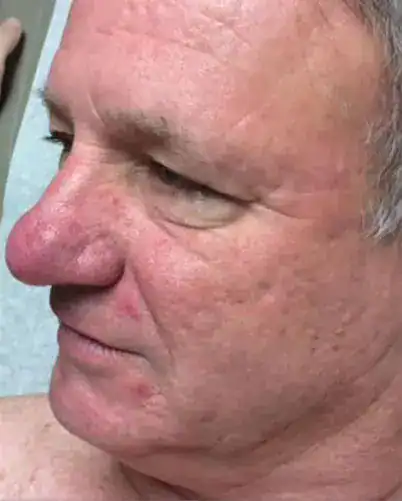
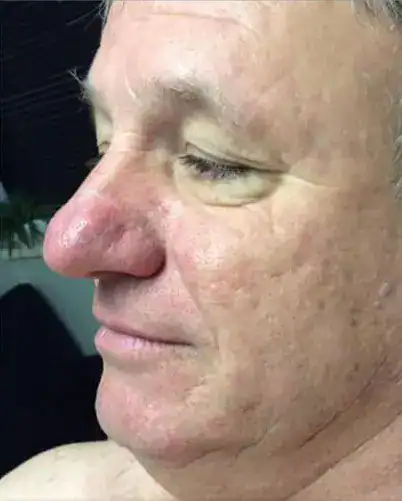
If left untreated, chronic rosacea can lead to rhinophyma and skin thickening, which are more difficult to treat. Your doctor may recommend procedures to reshape areas, such as your nose or forehead, to a more normal appearance.
Ocular rosacea: Most cases of ocular rosacea start off with mildly irritating symptoms, such as watery or itchy eyes, but these symptoms can progress and become more serious. Your doctor may prescribe topical medications, oral antibiotics, or anti-inflammatory drugs, alone or in combination with each other.
Contact us today to schedule your initial consultation at Goodman Dermatology and get started with your rosacea treatment. We serve the north metro Atlanta and North Georgia areas and many surrounding cities.
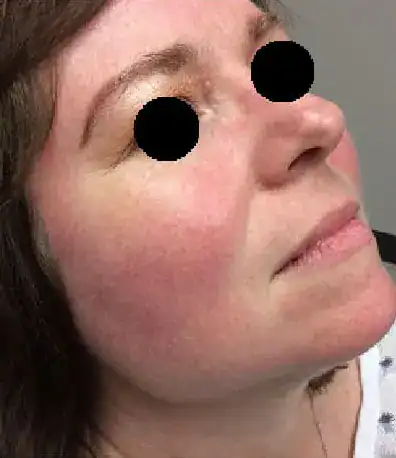
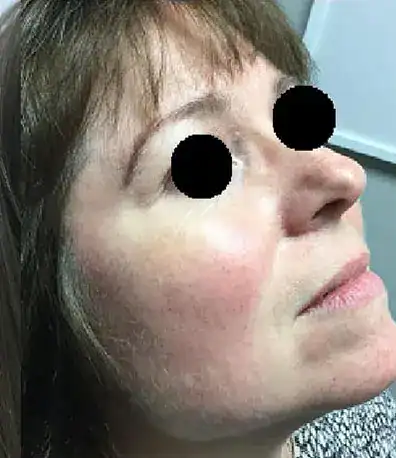
Rosacea Before & After Photos