
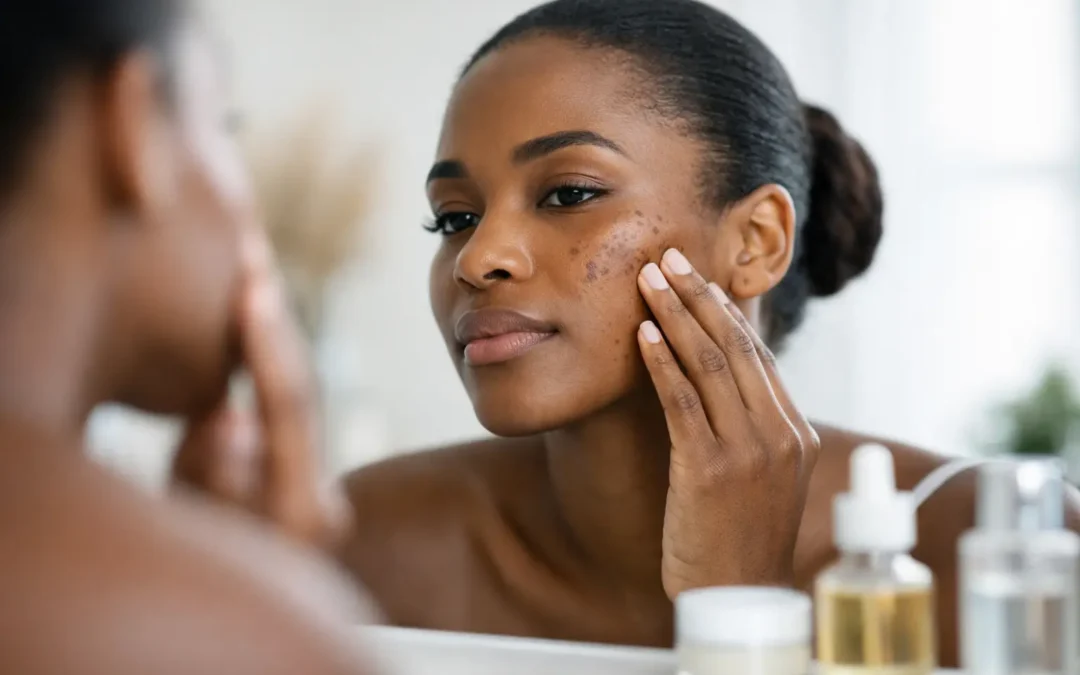
A dark spot that lingers for months after acne, eczema, an ingrown hair, or a rash can be more frustrating than the original problem. In darker skin tones, hyperpigmentation often develops faster, lasts longer, and responds poorly to one-size-fits-all advice. That is why treatment needs to be chosen carefully.
When patients ask about hyperpigmentation treatment for dark skin, the first priority is not simply fading pigment. It is treating discoloration without causing irritation, rebound darkening, or uneven results. Skin of color can respond very well to treatment, but success depends on an accurate diagnosis, the right ingredients, and a plan that respects the skin barrier.
Why hyperpigmentation behaves differently in dark skin
Hyperpigmentation happens when the skin produces excess melanin after inflammation, irritation, heat, hormones, or injury. In melanin-rich skin, that pigment response is often more active. A pimple, bug bite, scratch, razor bump, or cosmetic treatment that causes too much inflammation can leave behind marks that persist long after the skin looks healed.
That does not mean dark skin is harder to treat. It means treatment must be more precise. Aggressive exfoliation, harsh scrubs, and strong procedures done without attention to skin tone can make discoloration worse. A safer approach usually combines gradual brightening with prevention of new pigment formation.
Common causes of discoloration in darker skin tones
Post-inflammatory hyperpigmentation is one of the most common reasons patients seek care. This type of discoloration follows acne, eczema, psoriasis, contact dermatitis, folliculitis, and even cosmetic irritation. The spot may look brown, gray-brown, or almost black depending on how deep the pigment sits in the skin.
Melasma is another frequent cause. It often appears as patchy brown discoloration on the cheeks, forehead, upper lip, or jawline and can be triggered by hormones, genetics, and sun exposure. Melasma can affect any skin tone, but in dark skin it may be especially persistent and can return after treatment.
Some patients also have pigment changes related to shaving bumps, friction, certain medications, or prior procedures. This is one reason a self-diagnosis is not always enough. Not every dark spot should be treated the same way.
What works in hyperpigmentation treatment for dark skin
The best treatment plan depends on the cause, the depth of pigment, and how sensitive the skin is. In many cases, improvement comes from a combination of daily skin care and in-office treatment rather than a single product.
Topical prescription creams are often a starting point. Hydroquinone may be used in selected cases to reduce excess pigment, especially for stubborn post-inflammatory hyperpigmentation or melasma. It can be very effective, but it should be used under medical guidance because the strength, duration, and skin response matter. Overuse can lead to irritation and, in rare cases, unwanted pigment changes.
Non-hydroquinone options are also valuable, particularly for maintenance or for patients with sensitive skin. Azelaic acid is a strong option because it can help with both acne and discoloration. Retinoids may increase cell turnover and improve pigment over time, but they need to be introduced carefully to avoid excessive dryness or irritation. Depending on the patient, a dermatologist may also recommend cysteamine, kojic acid, niacinamide, tranexamic acid, or other brightening agents.
For melasma, treatment often needs more patience. It tends to improve gradually and may return if triggers are not controlled. A carefully designed regimen is usually more effective than repeatedly switching products.
Sunscreen is treatment, not an extra step
One of the biggest misconceptions is that sunscreen matters less in darker skin tones. In reality, pigment-producing cells can be reactivated by ultraviolet light and visible light, which means unprotected exposure can keep dark spots from fading.
For many patients, daily sunscreen is one of the most important parts of hyperpigmentation treatment for dark skin. A broad-spectrum formula with SPF 30 or higher is a practical minimum. Tinted sunscreens with iron oxides can be especially helpful for melasma and visible-light-related pigment concerns. The best sunscreen is the one a patient will wear consistently, so texture and finish matter.
Without sun protection, even excellent treatment can plateau. With good sun protection, topical therapies and procedures tend to work better and relapse becomes less likely.
When procedures help and when caution matters
In-office procedures can improve discoloration, but darker skin requires careful selection of device settings, peel strength, and treatment intervals. The goal is controlled improvement with minimal inflammation.
Chemical peels can be helpful for post-acne marks and uneven tone when the right peel is chosen. Lighter, series-based treatments are often safer than one aggressive peel. A superficial peel may gradually brighten the skin while lowering the risk of post-treatment darkening.
Microneedling may also help in selected cases, especially when pigment is paired with acne scarring. It should be performed by experienced professionals who understand how to treat melanin-rich skin appropriately.
Lasers can be effective for some types of pigmentation, but they are not automatically the first choice for dark skin. The wrong laser or settings can worsen hyperpigmentation. That is why a device-based plan should start with a thorough skin evaluation and realistic expectations. In many cases, preparing the skin with topical treatment before a procedure improves safety and results.
Mistakes that often make dark spots last longer
Patients are often surprised to learn that well-intended skin care habits can prolong discoloration. Picking at acne, overusing exfoliating acids, layering too many active products, and using harsh cleansing tools can all increase inflammation. Even frequent friction from tight clothing, shaving, or scratching can contribute.
Another common issue is treating the spot but not the trigger. If acne, eczema, razor bumps, or melasma are still active, new pigment will continue to develop. Lasting improvement usually requires controlling the underlying condition first.
There is also a trade-off between speed and safety. Fast results are appealing, but overly aggressive treatment can lead to irritation and deeper pigment changes. For dark skin, a measured approach usually produces better long-term outcomes.
When to see a dermatologist
If dark spots have lasted for several months, keep returning, or are affecting larger areas of the face or body, it makes sense to get a professional evaluation. That is especially true if the discoloration is spreading, appears in patches, follows a rash, or has not improved with over-the-counter care.
A dermatologist can determine whether the issue is post-inflammatory hyperpigmentation, melasma, medication-related pigment change, or another condition entirely. That diagnosis shapes treatment. It also helps avoid wasting time on products that are unlikely to work.
For patients who want a medically guided, cosmetically thoughtful plan, practices such as Goodman Dermatology can evaluate both the cause of discoloration and the safest treatment options for skin of color. That may include prescription therapy, procedural treatment, or a combined approach based on the patient’s skin type, lifestyle, and goals.
What realistic results look like
Hyperpigmentation usually improves in stages, not overnight. Some superficial marks may fade in a matter of weeks, while deeper or more stubborn pigment can take months. Melasma often requires maintenance even after it improves.
That timeline can feel slow, but gradual improvement is not a sign that treatment is failing. It is often the safest way to protect the skin while reducing discoloration. The right plan should lead to steadier tone, fewer new spots, and healthier skin overall.
The most effective care plan is one that matches the patient, not a trend. Dark skin deserves treatment that is evidence-based, respectful of its unique biology, and built around both safety and visible results. If you are dealing with discoloration that keeps coming back or never seems to clear, the next best step is a professional evaluation and a plan that treats your skin with precision.