
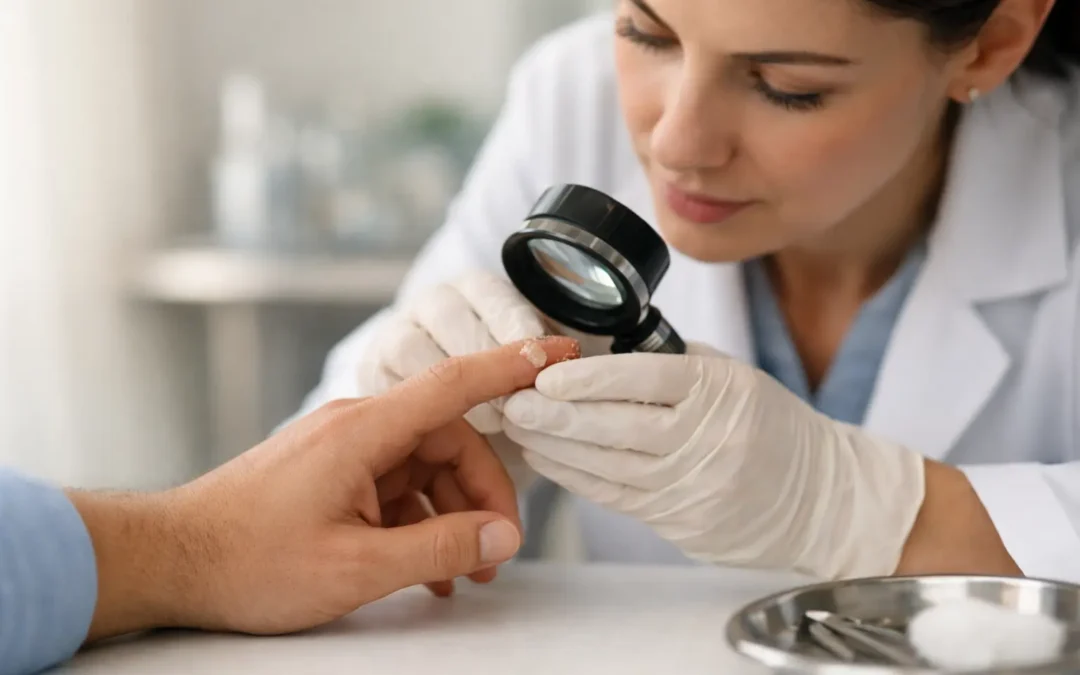
Warts are easy to underestimate until they start spreading, hurting, or refusing to go away. Many people try over-the-counter treatments for weeks or months before realizing the wart is changing, multiplying, or sitting in a spot that makes everyday life uncomfortable. That is usually the point when seeing a wart removal dermatologist becomes less about convenience and more about getting the right diagnosis and effective treatment.
A dermatologist does more than remove a visible bump. The first step is confirming that the growth is actually a wart and not another skin condition that may need a different approach. Calluses, skin tags, molluscum contagiosum, seborrheic keratoses, and even certain skin cancers can sometimes resemble warts to the untrained eye. If a lesion is painful, bleeding, rapidly changing, or simply not responding as expected, professional evaluation matters.
Why a wart removal dermatologist is often the right choice
Warts are caused by strains of the human papillomavirus, or HPV, and they can behave differently depending on where they appear, how long they have been present, and how your immune system responds. A common wart on a finger is not managed exactly the same way as a plantar wart on the foot or a flat wart on the face. Age also matters. Children may clear some warts more easily, while adults often deal with more stubborn lesions.
This is where dermatology care becomes especially valuable. A wart removal dermatologist can identify the wart type, assess depth and location, and recommend treatment based on effectiveness, skin sensitivity, cosmetic concerns, and recurrence risk. That personalized approach is hard to match with one-size-fits-all products from the drugstore.
For many patients, the decision also comes down to efficiency. If a wart is interfering with walking, sports, shaving, or work with the hands, waiting months to see if it improves on its own may not be practical. Prompt treatment can reduce discomfort and help limit spread to nearby skin or other family members.
When home treatment is no longer enough
Some warts do respond to salicylic acid or other nonprescription products, but success depends on consistent use and the right diagnosis. If you have been treating a lesion regularly and it is not shrinking, that is a sign to move on from self-treatment.
You should also schedule an appointment sooner if the wart is painful, located on the face or genitals, growing under or around a nail, or appearing in clusters. Plantar warts on the soles can become deeply embedded and tender with pressure. Periungual warts near the nails can distort nail growth and become especially stubborn. Facial warts raise different concerns because aggressive treatment can increase the risk of irritation or visible marks.
People with diabetes, poor circulation, neuropathy, or weakened immune systems should be particularly careful. In these cases, trying to remove a wart at home can lead to skin injury, delayed healing, or infection. Medical guidance is safer and often more effective.
What to expect at your dermatology visit
A wart visit is usually straightforward, but it is not rushed guesswork. Your dermatologist will examine the lesion, ask how long it has been present, review any treatments you have already tried, and determine whether biopsy or additional evaluation is needed. In many cases, warts can be diagnosed clinically, but if the appearance is unusual, your physician may recommend closer testing.
Once the diagnosis is clear, treatment planning begins. The best option depends on the wart’s size, number, thickness, and location, along with your age, comfort level, and timeline. Some treatments are designed to destroy wart tissue directly. Others work by stimulating the immune system to recognize and clear the virus.
That distinction matters because not every wart disappears after one visit. Patients often do best when they understand that treatment can require a series of sessions, especially for long-standing or thick warts. The goal is not just to remove surface skin, but to reduce recurrence and protect the surrounding area.
Common wart removal treatments from a dermatologist
Cryotherapy is one of the most common in-office options. This treatment uses liquid nitrogen to freeze the wart, causing the tissue to break down over time. It is widely used because it is quick and effective for many common warts, though several treatments may be needed. It can cause temporary blistering, soreness, or pigment changes, so treatment has to be tailored carefully, especially in darker skin tones or on cosmetically sensitive areas.
Topical prescription treatments may also be recommended. These can include stronger keratolytic medications that help peel away thickened wart tissue or immune-modulating therapies for difficult cases. These options may be useful when a more gradual approach is appropriate or when a wart is in a location where freezing is less ideal.
For stubborn lesions, a dermatologist may use cantharidin, electrosurgery, curettage, or laser-based treatment. Each has a role, but none is automatically the best choice for every patient. A thick plantar wart may need a different strategy than multiple flat warts on the face. Surgical removal can be effective in select situations, but it may carry a greater chance of discomfort or scarring, so it is usually chosen thoughtfully rather than routinely.
In some cases, combination therapy works best. A dermatologist may pare down a plantar wart in the office, treat it with cryotherapy, and then have you continue a prescription topical at home. That kind of coordinated plan often improves outcomes compared with relying on a single treatment alone.
Why recurrence happens and how expert care helps
One of the frustrating things about warts is that even after visible improvement, they can come back. That does not always mean the treatment failed. HPV can persist in surrounding skin, and some warts are simply more resistant than others.
A wart removal dermatologist helps manage recurrence by adjusting the plan rather than repeating the same ineffective step. If a wart is not responding, your physician may change modalities, extend treatment intervals, or reassess whether the lesion is truly a wart. That flexibility is one of the biggest benefits of specialist care.
Dermatologists also look beyond the wart itself. Repeated irritation from shaving, pressure from footwear, nail biting, and skin picking can contribute to spread. In households with children, shared surfaces and close contact can also play a role. Practical prevention advice matters because successful wart treatment is not only about what happens in the exam room.
Warts in children, teens, and adults
Warts are common across age groups, but treatment decisions often vary by patient. In children, some warts may be observed if they are small, painless, and likely to resolve. That said, children can also develop bothersome clusters on the hands, knees, or feet that justify treatment sooner.
Teens and adults may be more concerned with pain, appearance, and convenience. A wart on the hand can affect work, sports, or confidence. Facial warts and periungual warts often deserve earlier attention because they can be more persistent and more difficult to treat once they spread.
Adults with multiple recurring warts may need a broader evaluation, especially if there is a history of immune suppression or unusually resistant lesions. A specialist can help determine whether a standard treatment plan is enough or whether a more advanced approach is appropriate.
Choosing the right dermatology practice for wart care
When you are looking for treatment, experience and access both matter. Wart care may sound simple, but there is value in seeing a dermatology team that treats a high volume of skin conditions across all ages and can offer multiple treatment options in one setting. That is particularly helpful if the lesion turns out not to be a wart, or if you need follow-up care over several visits.
Convenience is not a small factor either. Patients are more likely to complete treatment when appointments are accessible and follow-up is manageable. For families and busy professionals across North Georgia, a practice like Goodman Dermatology offers the advantage of comprehensive dermatologic care with multiple locations and scheduling options that make treatment easier to continue.
If you have a wart that is painful, spreading, bleeding, or simply not improving, there is little benefit in letting it become a longer problem. The right next step is a clear diagnosis, a treatment plan that fits the type of wart you have, and care that is thorough enough to address recurrence if it happens. When skin growths are persistent, expert evaluation usually saves time, frustration, and unnecessary trial and error.