
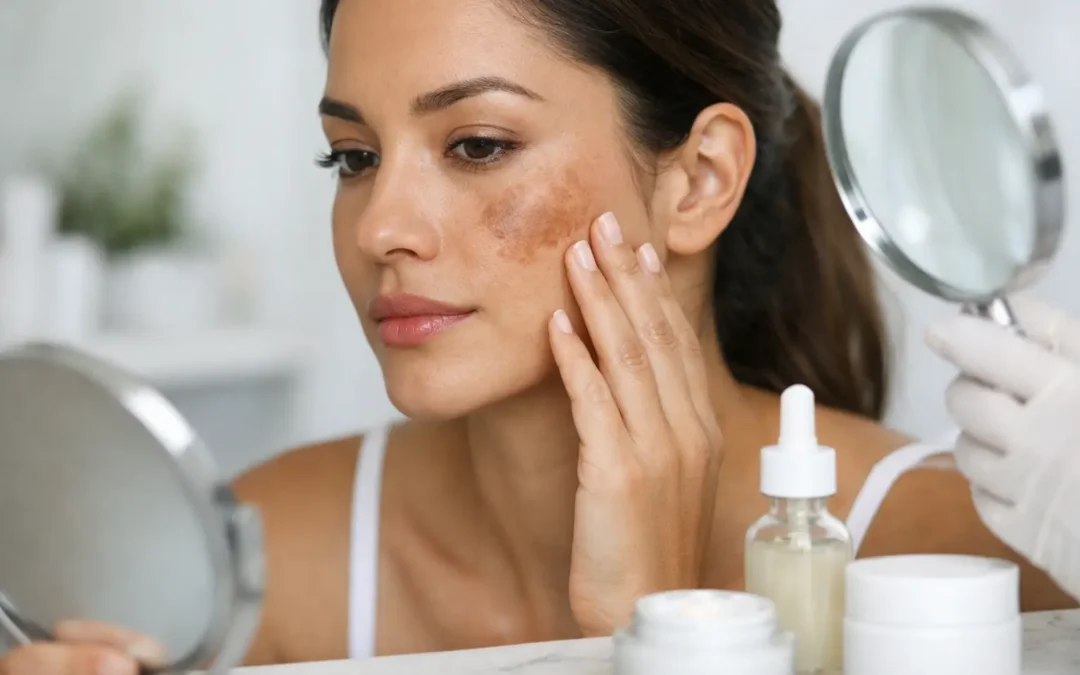
Melasma rarely shows up at a convenient time. For many patients, it appears gradually across the cheeks, forehead, upper lip, or jawline, then becomes more noticeable after sun exposure, pregnancy, hormonal changes, or even skin irritation from the wrong products. If you are wondering how to treat melasma, the short answer is that it usually takes a combination of consistent sun protection, prescription treatment, and patience.
Melasma is not dangerous, but it can be frustratingly persistent. It often behaves like a chronic pigment condition rather than a one-time problem, which means the goal is usually control and fading, not a permanent cure after one cream or one procedure.
What melasma is and why it can be hard to clear
Melasma causes brown, gray-brown, or patchy discoloration, most often on the face. It develops when pigment-producing cells become overactive. Sunlight is a major trigger, but heat, visible light, hormones, genetics, and inflammation can all play a role.
That is one reason melasma can be difficult to manage. Even if discoloration starts to improve, a sunny weekend, a hot summer, or an irritating skin care product can bring it back. Patients with medium to deeper skin tones may also be more prone to melasma and to post-inflammatory pigment changes, which makes careful treatment especially important.
How to treat melasma with the right foundation
The best treatment plan starts with trigger control. Without that step, even strong prescription products tend to underperform.
Daily sun protection is not optional
Broad-spectrum sunscreen is one of the most important parts of melasma care. In many cases, treatment fails not because the prescription is wrong, but because the skin keeps getting re-stimulated by UV and visible light. A tinted mineral sunscreen with iron oxides can be especially helpful because visible light can worsen pigmentation in some patients.
For most people, that means applying sunscreen every morning, using enough product to cover the face evenly, and reapplying if they are outdoors. Hats, shade, and avoiding peak sun exposure also matter. In North Georgia, where sun and heat are common for much of the year, this step makes a meaningful difference.
Gentle skin care helps more than harsh products
Many patients try to scrub melasma away or layer multiple brightening products at once. That often backfires. Irritated skin can become more inflamed, and inflammation can make pigment darker or more stubborn.
A gentle cleanser, a non-irritating moisturizer, and a treatment plan chosen for your skin type are usually more effective than an aggressive routine. If your skin burns, peels excessively, or stays red, the regimen may need adjustment.
Prescription treatments that often work best
When patients ask how to treat melasma effectively, prescription therapy is often the next step. The right choice depends on your skin tone, how deep the pigment sits, whether you are pregnant or breastfeeding, and how sensitive your skin is.
Hydroquinone and combination creams
Hydroquinone is one of the most established topical treatments for melasma. It works by reducing pigment production and can be very effective when used correctly. In some cases, dermatologists prescribe it alone. In others, it is combined with a retinoid and a mild topical steroid in a compounded or triple-combination formula.
These combination treatments can improve results because they target pigment in more than one way. The trade-off is that they need supervision. Used too long or too aggressively, hydroquinone can irritate the skin and, rarely, cause unwanted darkening in certain patients.
Retinoids, azelaic acid, and other non-hydroquinone options
Retinoids help increase cell turnover and can support pigment fading over time. Azelaic acid is another useful option, especially for patients who need a gentler approach or who are not good candidates for stronger bleaching agents.
Other ingredients sometimes used in melasma plans include tranexamic acid in topical form, cysteamine, kojic acid, niacinamide, and vitamin C. These are not all equal in strength, and they do not work at the same speed. Some patients do well with non-hydroquinone maintenance plans, especially after initial improvement.
Oral tranexamic acid for selected patients
In carefully selected cases, oral tranexamic acid may help improve melasma that has not responded well to topical treatment alone. This is not appropriate for everyone. A dermatologist needs to review your medical history, including clotting risk, medications, and other health factors before considering it.
For the right patient, it can be a useful part of treatment. But it is not a shortcut, and it still works best alongside sun protection and topical therapy.
In-office treatment for melasma
Office-based procedures can help, but melasma is one of the pigment conditions where more treatment is not always better. The wrong laser or an overly aggressive peel can actually worsen discoloration.
Chemical peels
Superficial chemical peels may help some patients with epidermal melasma, especially when paired with a good home regimen. These peels need to be selected carefully based on skin type and pigment tendency.
A peel that works well for one person may be too irritating for another. That is why professional guidance matters, particularly for patients with darker skin tones or a history of post-inflammatory hyperpigmentation.
Lasers and light treatments
Laser treatment for melasma requires caution. Some devices can improve pigment in selected patients, while others can trigger rebound darkening. Melasma is not the kind of condition where any laser advertised for brown spots is automatically appropriate.
If a laser-based plan is considered, it should be chosen by a dermatologist or highly experienced skin specialist who understands the difference between melasma, sun spots, and other causes of facial pigmentation. Settings, skin tone, timing, and aftercare all matter.
What to avoid when treating melasma
One of the biggest mistakes is self-diagnosing every dark patch as melasma. Freckles, lentigines, post-inflammatory hyperpigmentation, lichen planus pigmentosus, and medication-related pigmentation can look similar. If the diagnosis is off, the treatment plan may be off too.
It is also wise to avoid over-exfoliating, using too many acids at once, or switching products every week. Melasma usually improves gradually. Constantly changing your routine can make it harder to tell what is working and easier to irritate the skin.
Finally, be cautious with online trends. Lemon juice, abrasive scrubs, and unregulated brightening products are far more likely to damage the skin barrier than to fade melasma safely.
When to see a dermatologist about melasma
If pigmentation is spreading, not improving with over-the-counter care, or affecting your confidence, it is worth getting evaluated. A dermatologist can confirm whether it is truly melasma, identify triggers, and build a treatment plan that matches your skin type and goals.
That matters because melasma treatment is rarely one-size-fits-all. A patient dealing with pregnancy-related pigment needs a different approach than someone managing long-term melasma plus acne, rosacea, or sensitive skin. A busy parent may need a simpler routine. Another patient may want a more aggressive combination of prescription therapy and procedures.
At Goodman Dermatology, patients can be evaluated for pigmentation concerns and guided toward medical and cosmetic treatment options that make sense for their skin, schedule, and long-term maintenance needs.
How long it takes to see improvement
This is where expectations matter. Melasma often improves over weeks to months, not days. Some patients start to notice fading after six to eight weeks, while others need several months of steady treatment before the change is obvious.
Even after improvement, maintenance is usually necessary. That may mean continuing sunscreen daily, using a non-hydroquinone pigment regimen, or restarting treatment during warmer months when flare-ups are more common. Melasma tends to reward consistency more than intensity.
A realistic way to think about results
The most successful melasma treatment plans are realistic and sustainable. The goal is not to attack the skin until the pigment disappears overnight. It is to calm the pigment pathway, protect the skin from triggers, and use the right treatments long enough to get visible improvement without creating new irritation.
If your melasma has been stubborn, that does not mean it cannot improve. It usually means the condition needs a more precise diagnosis, a more consistent plan, or a treatment approach tailored more carefully to your skin. With expert guidance and steady care, many patients can achieve clearer, more even-looking skin and keep it that way longer.